


 Posted an update: 2026-4-1 14:00:06 99
In the dusty plains of Shanxi, the Northern Wei emperors carved their legacy into the earth. The Yungang Grottoes are a massive display of power and faith, where the art of the Silk Road meets the spirit of China.
Yungang Grottoes: The Majesty of the Northern Wei and the Birth of Buddhist Sculpture
Dating back to the 5th century, the Yungang Grottoes in Datong represent the earliest peak of Chinese Buddhist stone art. Built under the sponsorship of the Northern Wei dynasty, these caves show a unique blend of Central Asian, Indian, and traditional Chinese artistic styles. The massive scale and raw energy of Yungang make it one of the most awe-inspiring archaeological sites in the world, marking the moment when Buddhism truly became a Chinese religion.
1. The Five Tanyao Caves: Emperors as Buddhas
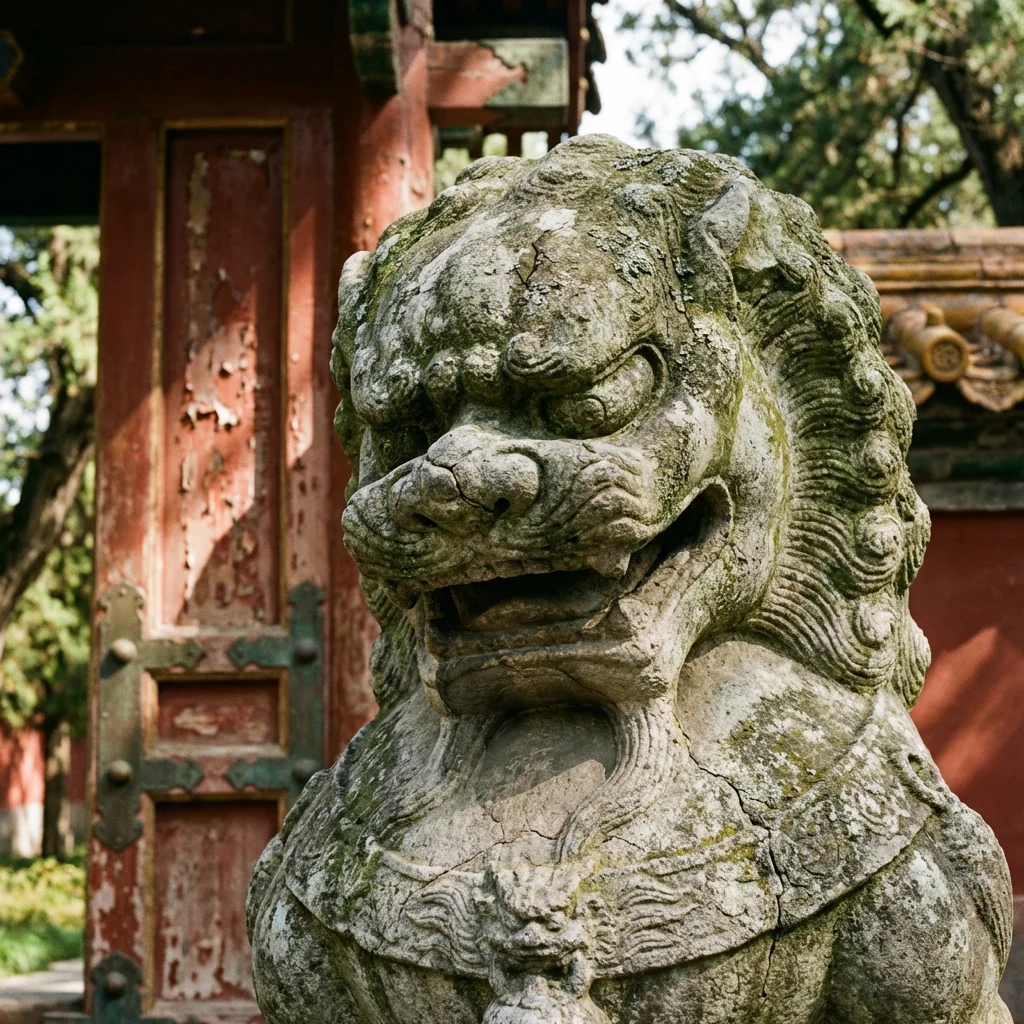
The oldest and most important part of Yungang are the Five Tanyao Caves. Each cave features a giant Buddha statue that is believed to represent one of the first five emperors of the Northern Wei dynasty. By carving the emperors as Buddhas, the Northern Wei rulers merged religious devotion with political power. The central figure in Cave 20, the "Seated Buddha," is the iconic symbol of Yungang, known for its powerful, broad shoulders and serene, enigmatic expression.
2. Silk Road Fusion: The Melting Pot of Art
Yungang is a masterpiece of cultural fusion. Because Datong was a key stop on the Silk Road, the carvers at Yungang were influenced by a variety of global styles. You can see Hellenistic (Greek) pillars, Persian (Iranian) patterns, and Indian (Gupta) sculpture styles blended with traditional Chinese motifs. This "Yungang Style" is a vivid record of China"s openness to the world 1,500 years ago, a bridge between East and West.
3. Architectural Grandeur: Caves as Palaces
Unlike some grottoes that are simple caves, many of the Yungang caves are designed as complex architectural spaces. They feature carved stone pillars, multi-layered ceilings, and elaborate niches that resemble the palaces of the time. These "palace caves" provide invaluable information about the lost wooden architecture of the Northern Wei, showing how stone was used to replicate the glory of the imperial court.
4. Color and Light: The Painted Caves
In their original state, the Yungang Grottoes were brilliantly painted with mineral pigments. While much of the color has faded, some caves (like Caves 5 and 6) still show vibrant reds, blues, and golds. These pigments were used to highlight the intricate details of the carvings, turning the dark caves into glowing celestial chambers. The use of color added a layer of sensory richness that made the spiritual experience even more profound for ancient pilgrims.
5. FAQ: Understanding the Yungang Legacy
How is Yungang different from Longmen?
Yungang is older and its style is more robust and "foreign" influenced, reflecting the early Silk Road period. Longmen, mostly from the Tang Dynasty, is more refined and "Sinicized," showing a more purely Chinese aesthetic and a focus on realism.
What is being done to protect the grottoes?
The sandstone of Yungang is very fragile. Today, massive preservation projects are underway to control the humidity and dust in the caves. Large wooden covers have been built over some cave entrances to protect the statues from wind and rain.
Can I take photos inside?
To protect the ancient pigments, photography is restricted in many of the inner caves. However, the outdoor statues and the museum provide plenty of opportunities to capture the majesty of the site without harming the artifacts.
6. Conclusion
The Yungang Grottoes are a monument to the first great flowering of Buddhist art in China. They show us that beauty is born when different cultures meet and share their wisdom. As we stand before the giant Buddhas of Datong, we are reminded of the bold vision of the Northern Wei and the eternal light of the Silk Road. Yungang is where the heart of China began to beat with a new rhythm.
From the mountain to the workshop: Next, we explore the Home of White Marble—Quyang Stone Carving!