


 Posted an update: 2026-4-1 13:59:59 100
In the limestone cliffs of Luoyang, thousands of eyes watch the river flow. The Longmen Grottoes are a masterpiece of Buddhist art, where the stone itself seems to breathe with spiritual power.
Longmen Grottoes: The Peak of Buddhist Stone Art and the Spirit of the Tang
Located on both banks of the Yi River, the Longmen Grottoes contain over 100,000 Buddhist statues carved between the 5th and 10th centuries. This UNESCO World Heritage site represents the absolute pinnacle of Chinese stone sculpture. It is a place where imperial devotion and artistic brilliance met to create a celestial landscape on earth. For anyone interested in the soul of Chinese art, Longmen is a sacred destination.
1. The Fengxian Temple: The Majesty of Empress Wu
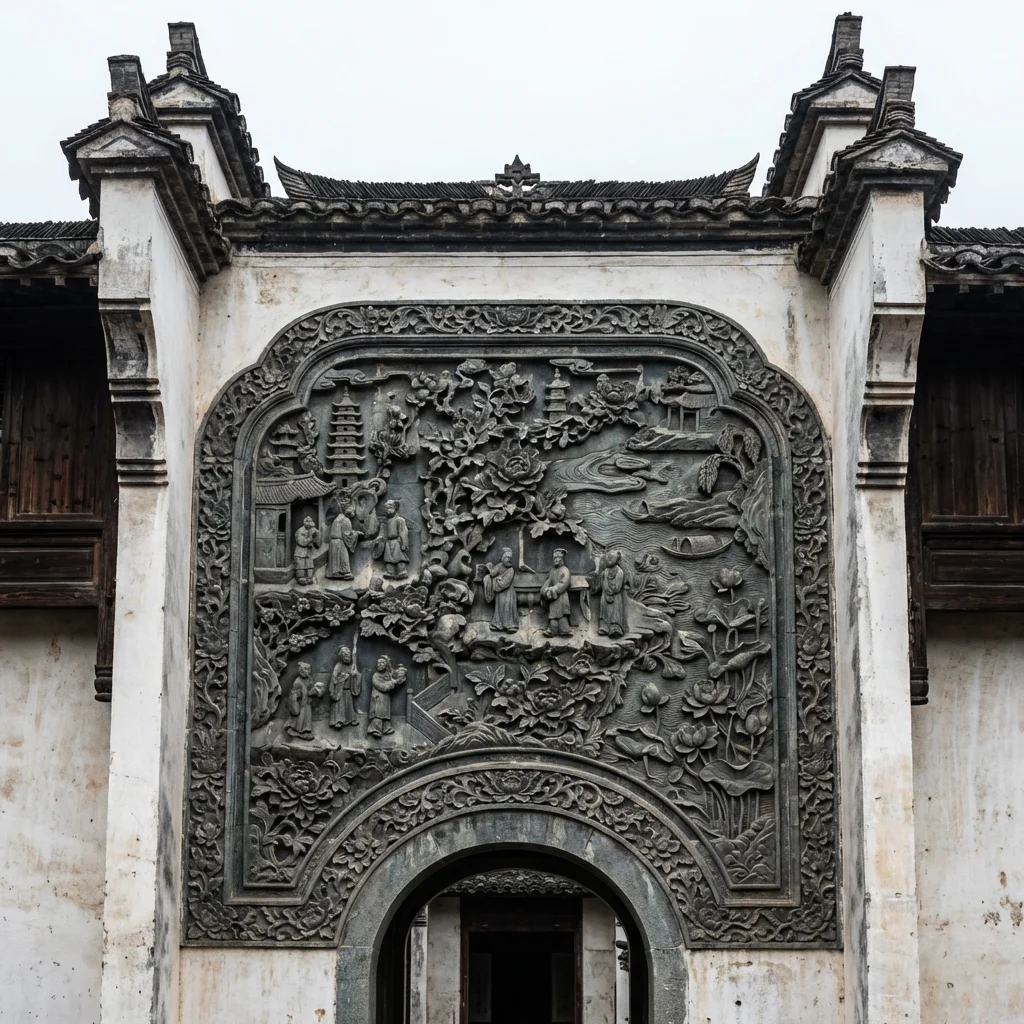
The centerpiece of Longmen is the Fengxian Temple, built during the Tang Dynasty. Its central figure, the 17-meter-tall Vairocana Buddha, is said to have been modeled after the face of Empress Wu Zetian herself. The Buddha"s serene smile and compassionate gaze are famous worldwide. Surrounded by fierce heavenly kings and gentle bodhisattvas, the Vairocana represents the peak of Tang realism and spiritual confidence.
2. The Evolution of Style: From Wei to Tang
Longmen is a living timeline of Chinese art. The earlier caves, from the Northern Wei, show slender figures with high cheekbones and ethereal smiles—a style known as "Xiu-gu Qing-xiang." As we move into the Tang Dynasty caves, the figures become fuller, more muscular, and more lifelike, reflecting the prosperity and openness of the Tang era. This transition in stone shows the changing aesthetic and social spirit of ancient China.
3. Binyang Cave: The Royal Devotion
The Binyang Middle Cave is one of the most important royal commissions at Longmen. Carved by the Emperor for his parents, it contains some of the most intricate and well-preserved relief work in the entire complex. The cave once featured famous scenes of the imperial family paying homage to Buddha, showcasing the deep connection between the ruling class and the Buddhist faith in the Northern Wei period.
4. Architectural Elegance: Pagodas in Stone
Longmen is not just about statues. The cliffs are also dotted with thousands of miniature stone pagodas and calligraphic inscriptions. These small details provide essential historical data on the people who funded the caves—from emperors and generals to humble monks and village communities. Every inch of the cliff is a layer of history, a chorus of voices from the past carved in stone.
5. FAQ: Visiting the Longmen Grottoes
When is the best time to visit?
Spring (April-May) and Autumn (September-October) are the best times. At night, the grottoes are beautifully illuminated, creating a truly magical and spiritual atmosphere that feels like stepping back into the Tang Dynasty.
How were these statues carved into the cliffs?
Artisans used scaffolding and basic iron tools. The limestone of Luoyang is relatively soft, which allowed for the incredible level of detail, but it also means the statues are vulnerable to erosion and moisture, making preservation efforts critical today.
Are the statues still being used for worship?
While primarily a historical and cultural site today, many visitors still leave flowers or pay their respects. The spiritual energy of the grottoes remains powerful and palpable to everyone who visits.
6. Conclusion
The Longmen Grottoes are a testament to the eternal power of the human spirit. They show us that with faith and art, even the hardest mountain can be turned into a sanctuary of beauty and peace. As we stand before the Vairocana Buddha, we are reminded of the enduring legacy of the Tang Dynasty and the timeless message of compassion and wisdom. Longmen is the soul of China, carved in the heart of the mountain.
From Luoyang to Datong: Next, we explore the Majesty of the Northern Wei—The Yungang Grottoes!