


 Posted an update: 2026-4-1 13:57:28 113
Before the invention of synthetic chemicals, the world was colored by the forest and the earth. Plant-based dyeing (Cao-mu-ran) is the ancient alchemy of turning leaves, roots, and fruits into eternal silk rainbows.
Plant-Based Dyes: The Ancient Alchemy of Natural Color and the Harmony of Nature
In ancient China, color was a sacred part of life. For thousands of years, our ancestors mastered the art of extracting pigments from the natural world. This was not just a craft; it was a philosophy of living in harmony with the seasons. By using plants that were native to the land, they created a palette of colors that were vibrant, healthy, and deeply connected to the spirit of the earth.
1. The Red of the Safflower: The Color of Joy
Red is the most auspicious color in Chinese culture, and the Safflower (Hong-hua) was its primary source. Extracting the red pigment from safflower is a complex multi-step process that involves removing the yellow pigment first. The resulting "Safflower Red" is a brilliant, warm color that was used for the robes of royalty and the dresses of brides. It was so valuable that during the Tang Dynasty, the weight of safflower was often compared to the weight of gold.
2. The Blue of the Indigo: The Sky on Silk
Indigo (Lan-cao) is perhaps the most famous of all natural dyes. In China, several different plants are used to produce indigo, including Isatis indigotica and Polygonum tinctorium. The magic of indigo lies in its "vat dyeing" process—the fabric enters the vat a pale yellow-green and turns into a deep, vibrant blue only when it is pulled out and reacts with the oxygen in the air. This "blue from the air" has defined the look of the Chinese countryside for millennia.
3. The Yellow of the Gardenia: The Warmth of the Sun
The Gardenia (Zhi-zi) fruit was used to create bright, stable yellows. Unlike many other dyes, gardenia is a direct dye, meaning it does not require a mordant to stick to the fabric. This made it one of the earliest and most popular dyes in ancient China. Other yellow sources included the bark of the Amur cork tree and turmeric, each providing a slightly different shade of the sun.
4. Mordants: The Secret of Long-Lasting Color
How did ancient colors last for centuries? The secret lies in Mordants (Mei-ran-ji). These are natural minerals—like alum, iron, and copper—that act as a bridge between the plant pigment and the silk fiber. By using different mordants with the same plant, ancient dyers could create a dozen different shades from a single source. This sophisticated chemistry allowed for the creation of the complex "Twelve Imperial Colors" used in the royal court.
5. FAQ: Understanding Natural vs. Synthetic Dyes
Are natural dyes safe for the skin?
Yes! In fact, many plants used in traditional dyeing—like indigo and madder—are also used in traditional Chinese medicine. Wearing naturally-dyed Hanfu is often seen as a health benefit, as the fabric carries the gentle properties of the plants.
Do natural colors fade?
All colors fade over time, but natural dyes fade "gracefully." They develop a soft, mellow character that is often more beautiful than the original color. This "aged beauty" (Gu-se) is highly prized by collectors of traditional textiles.
How can I identify naturally dyed fabric?
Natural colors have a unique "vibrancy" and "depth" that synthetic dyes cannot replicate. If you look closely, the color is slightly uneven, reflecting the organic nature of the plants. They also have a faint, pleasant herbal scent.
6. Conclusion
Plant-based dyeing is the heartbeat of traditional fashion. It is a reminder that beauty does not have to come at the cost of the environment. By rediscovering these ancient colors, we are not just reviving a craft; we are reclaiming our connection to the earth. Every robe colored by the forest is a tribute to the wisdom of our ancestors and the eternal cycles of life.
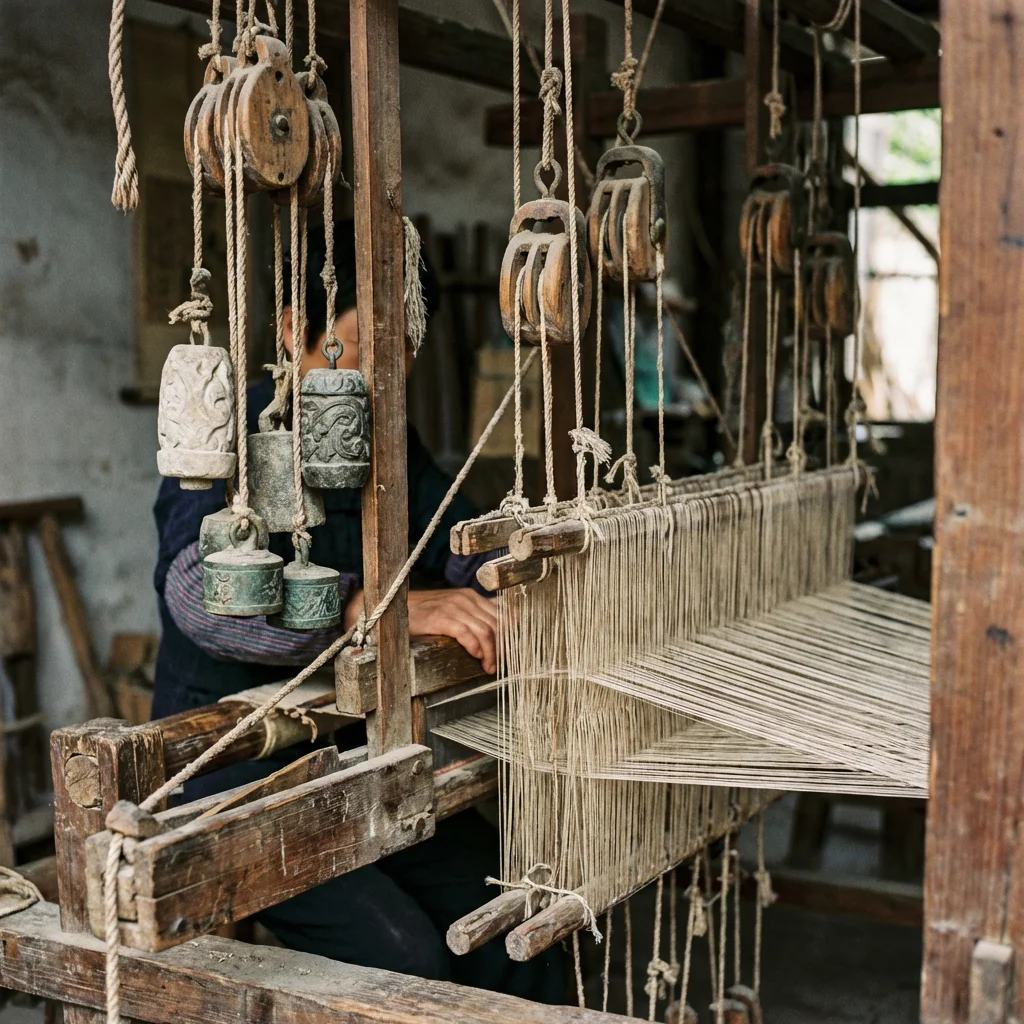
From the color to the loom: Next, we explore the incredible engineering of the Vertical Loom!