


 Posted an update: 2026-4-1 13:50:50 101
In the "Land of Abundance," the silk flows like water. Shu Embroidery (Shu-xiu), hailing from the ancient Shu State in modern-day Sichuan, is the oldest and most technically diverse of the Four Famous Embroideries.
Shu Embroidery: The Smooth Heritage of Sichuan and the Art of 100 Stitches
With a history dating back over 3,000 years to the ancient Sanxingdui period, Shu Embroidery is a treasure of southwestern China. Defined by its smooth texture, bright colors, and incredible variety of stitch types—over 122 in total—this style is as resilient as it is beautiful. It is the art of the people, used for everything from royal gifts to everyday household items like quilt covers and fans.
1. The Mastery of the Panda: A Living Symbol
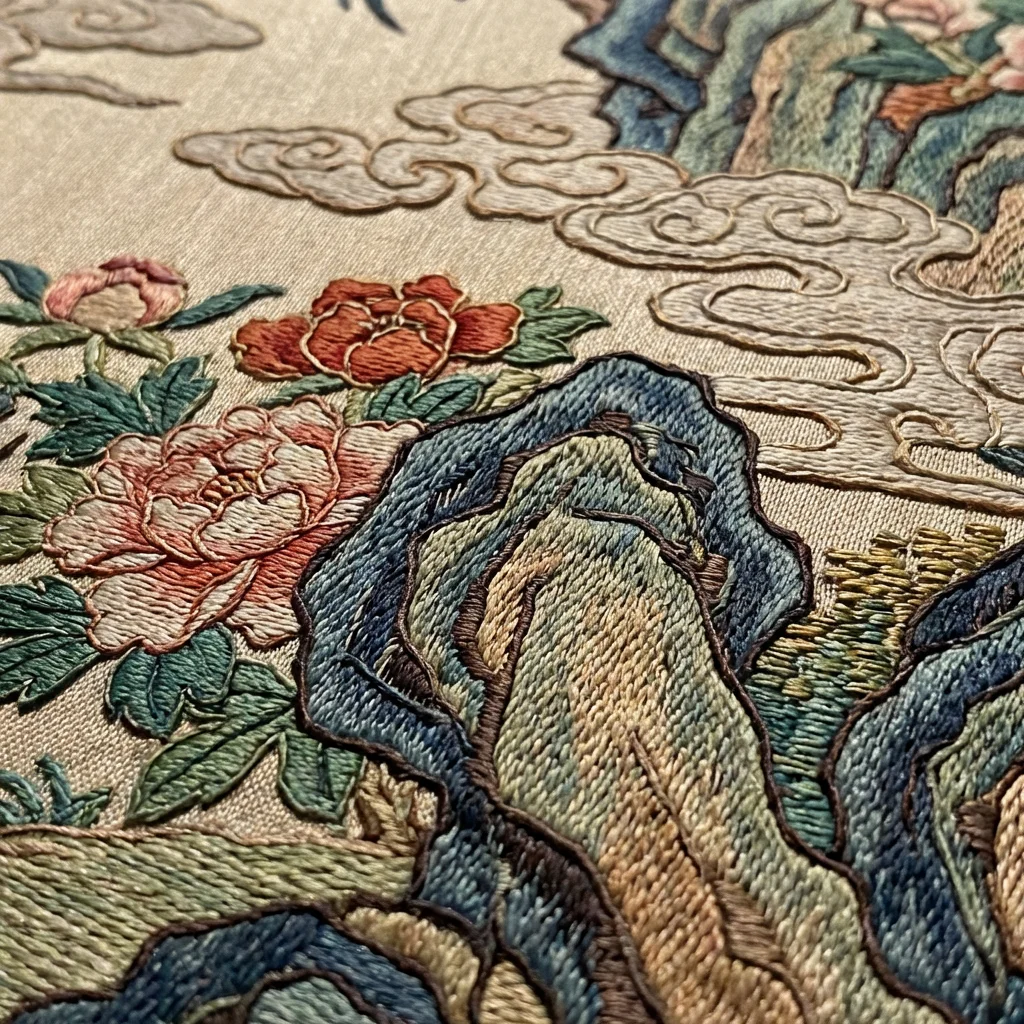
Since the giant panda is native to Sichuan, it has naturally become the most iconic motif of Shu Embroidery. A master of Shu can capture the fluffy texture of a panda"s fur and the twinkle in its eyes using fine silk threads. The "Panda among Bamboo" is the most popular theme, symbolizing peace, friendship, and the lush natural beauty of the Sichuan basin. The level of detail achieved is so high that the panda often appears three-dimensional on the flat silk surface.
2. 122 Stitch Types: The Technical Peak of Shu
What sets Shu Embroidery apart is its technical complexity. While other styles focus on a few signature stitches, Shu artisans use over 100 different stitch types, each for a specific texture or effect. This includes "lapping stitches" for feathers, "rolling stitches" for stems, and "scattering stitches" for fur. This vast "vocabulary" of stitches allows Shu embroidery to represent almost any subject with incredible accuracy and depth.
3. Texture and Sheen: The Smoothness of Shu Silk
Shu embroidery is prized for its smoothness and bright sheen. The threads are laid down so precisely that they create a surface that feels like a single, continuous sheet of silk. This "flatness" (Ping) and "brightness" (Guang) are the hallmarks of quality. When you move a Shu piece in the light, the colors shift and flow, reflecting the high tin and lead content once used in the dyes and the exceptional quality of the local Sichuan silk.
4. Cultural Heritage: The Spirit of the Southwest
Shu Embroidery is more than just a craft; it is the "DNA" of Sichuan culture. It has survived through dynasties and wars, always adapting but never losing its core identity. Today, it is recognized as a National Intangible Cultural Heritage of China. Master artisans in Chengdu and the surrounding areas are now teaching younger generations, ensuring that the 3,000-year-old needles of the Shu people never stop moving.
5. FAQ: Understanding Shu Embroidery
How can I tell Shu from Su embroidery?
Shu embroidery uses a wider variety of stitch types and tends to have more vibrant, saturated colors. Su embroidery is often more "ethereal" and focuses on splitting threads for microscopic detail. Shu is more "robust" and often features Sichuan-specific motifs like pandas and hibiscus flowers.
Is it okay to use Shu embroidery for daily items?
Yes! Unlike the extremely delicate Su embroidery, Shu pieces were traditionally designed to be durable. While high-end art pieces should be handled with care, Shu-embroidered pillowcases and fans are meant to be enjoyed and used.
Are the threads real silk?
Authentic Shu embroidery always uses natural mulberry silk from Sichuan, which is known for its strength and high lustre.
6. Conclusion
Shu Embroidery is a gift from the "Land of Abundance" to the world. It is a perfect blend of ancient wisdom and artistic innovation. From the powerful tiger to the peaceful panda, every stitch carries the pride and spirit of the Sichuan people. To hold a piece of Shu embroidery is to hold three millennia of history in your hand.
From the royal courts to the mountain villages: Next, we explore the bold and legendary "History on the Shoulders"—Miao Embroidery!