About
Overview
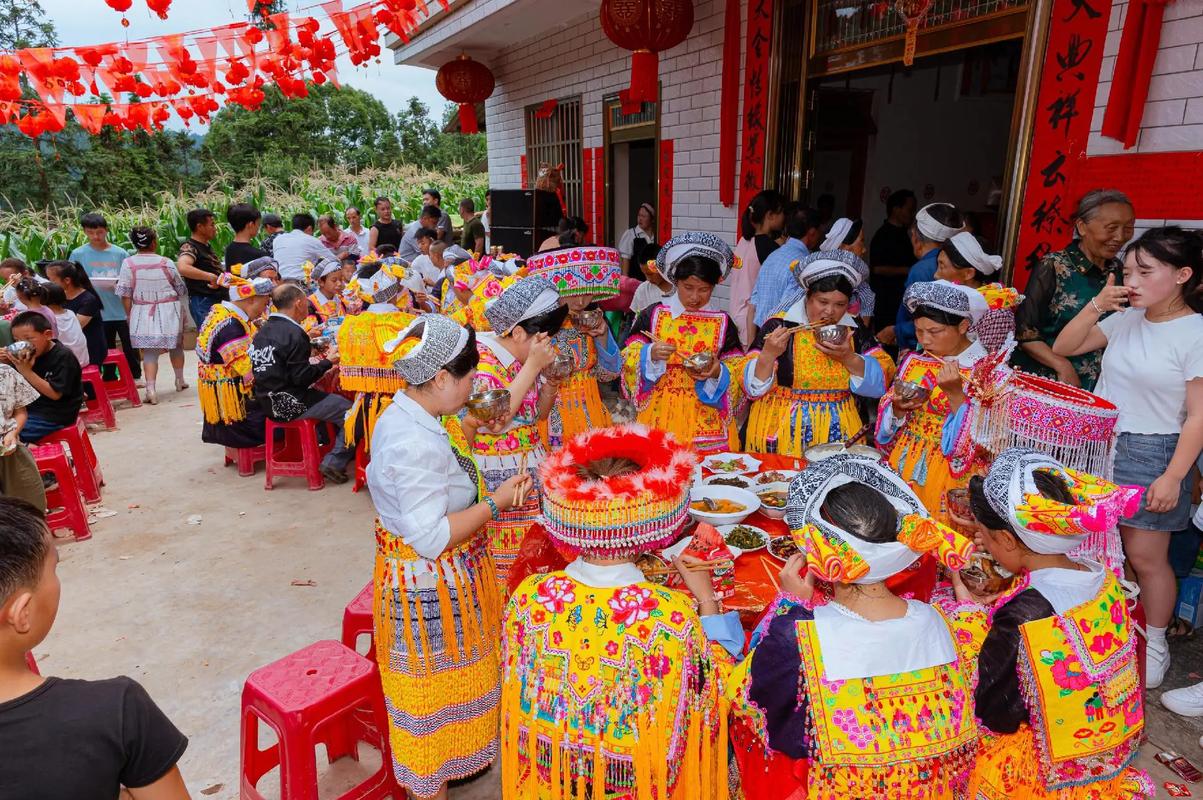
Ethnic Minority Coming-of-Age Ritual embodies the living wisdom of Chinese cultural traditions, representing practices that have sustained communities and connected generations through shared meaning and collective memory. These customs continue to provide structure and significance to daily life.
Historical Background
The roots of Ethnic Minority Coming-of-Age Ritual extend deep into China's agricultural past and spiritual traditions, when communities developed practices to mark seasonal changes, life transitions, and collective celebrations. These customs evolved through centuries of practice, adapting to changing social conditions while preserving core meanings. Oral tradition and written records have together maintained the continuity of these living practices.
Cultural Significance
Ethnic Minority Coming-of-Age Ritual provides structure and meaning to individual and community life, marking important transitions and maintaining connections between past and present. These practices embody accumulated wisdom about human relationships, natural cycles, and spiritual matters. The continued observance of these traditions strengthens social bonds and cultural identity.
Legacy and Development
Today, Ethnic Minority Coming-of-Age Ritual continues to be practiced and appreciated both in China and internationally, as recognition grows of its cultural importance and artistic value. Contemporary practitioners work to preserve traditional methods while exploring new applications and expressions. Educational programs, museum exhibitions, and cultural institutions play vital roles in ensuring that this precious heritage is transmitted to future generations. The ongoing vitality of Ethnic Minority Coming-of-Age Ritual demonstrates the enduring relevance of traditional Chinese culture in the modern world.
Origin
Various regions across China
Period
Ancient times to Present