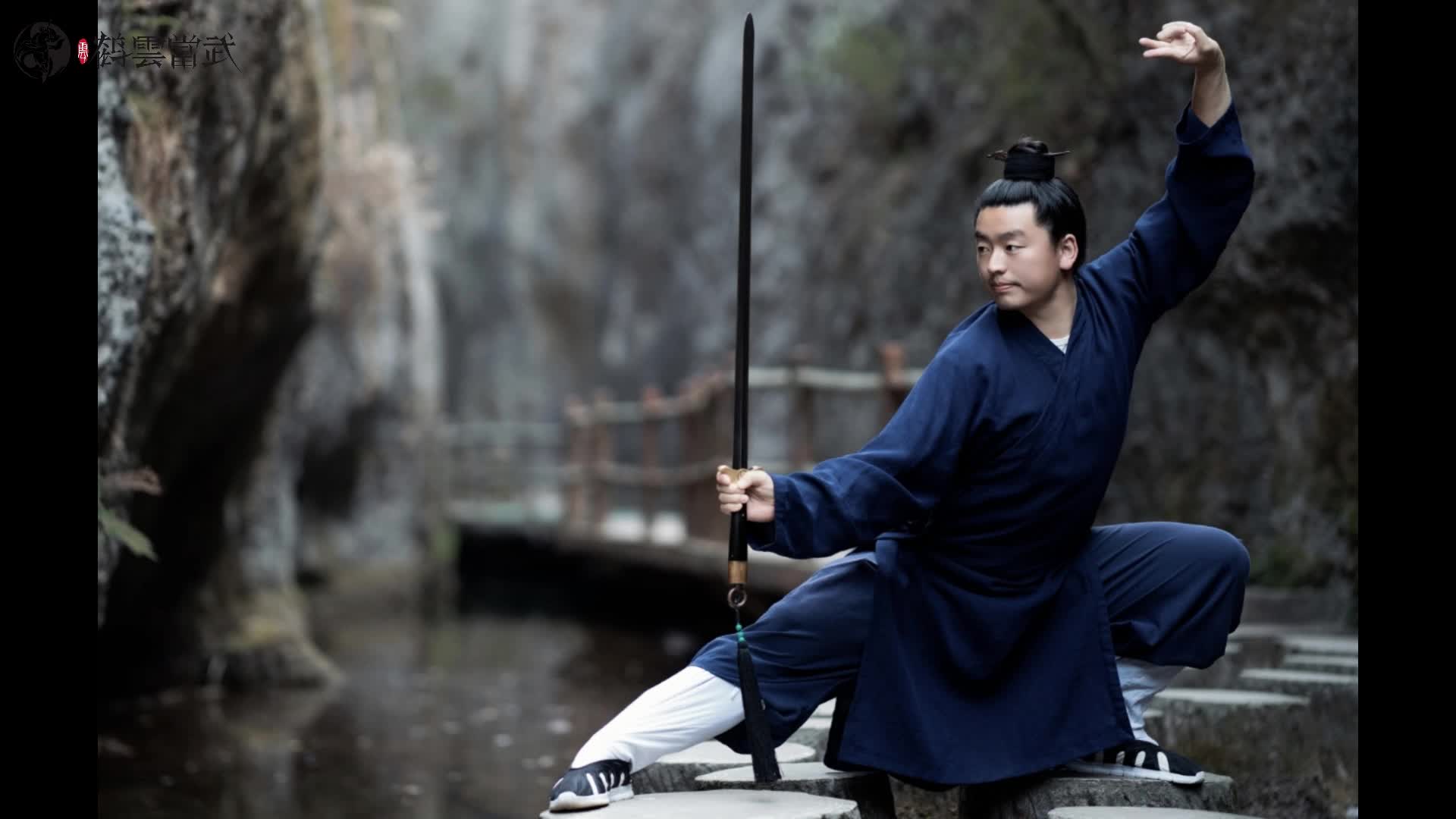
About
Chinese Kung Fu, also known as Wushu or Chinese Martial Arts, is an ancient and profound traditional Chinese art form, a system of physical combat, self-defense, health preservation, spiritual cultivation, and cultural expression. With a history spanning thousands of years, it integrates Chinese philosophy, medicine, aesthetics, and ethics, and is one of the most representative cultural symbols of China. It has been inscribed on the UNESCO Intangible Cultural Heritage List and enjoys worldwide fame.
Origin & Long History
Chinese Kung Fu evolved alongside Chinese civilization, rooted in ancient survival needs, tribal warfare, ritual dances, and medical practices.
- Ancient Period (Pre-Qin): Primitive humans learned fighting skills for hunting and defense. During the Xia, Shang, Zhou dynasties, combat skills became systematic, combined with archery, chariot warfare, and ritual ceremonies.
- Spring & Autumn / Warring States: Schools of thought flourished. Confucianism, Taoism, Mohism influenced Kung Fu’s development, emphasizing martial virtue (Wude) over brute force.
- Han & Tang Dynasties: Kung Fu matured. Military training and folk martial arts developed side by side. The Shaolin Temple was built, laying the foundation for Chan Buddhism and martial arts integration.
- Song & Yuan Dynasties: Civilian martial arts boomed. Many styles formed, and internal skills gained popularity.
- Ming & Qing Dynasties: Kung Fu reached its peak. Hundreds of styles emerged, such as Tai Chi, Xingyi, Bagua, Shaolin, Wudang. Folk martial arts became widespread.
- Modern Era: Kung Fu shifted from combat to health, performance, sports, and cultural exchange. International promotion by masters like Bruce Lee, Jet Li, Jackie Chan made it a global cultural icon.
Core Philosophical Foundation
Chinese Kung Fu is not just fighting—it is martial arts with spirit. Rooted in:
- Confucianism: Emphasizes benevolence, righteousness, propriety, wisdom, trustworthiness, and respect for teachers.
- Taoism: Pursues harmony with nature, softness overcoming hardness, internal energy (Qi), and longevity.
- Buddhism: Focuses on compassion, calmness, self-discipline, inner peace, and enlightenment.
Its core motto: “Kung Fu starts with virtue, ends with virtue.”
Major Styles & Schools
Chinese Kung Fu is divided into two major systems: Internal Styles (Neijia) and External Styles (Waijia).
1. External Styles (Waijia) – Strength, Speed, Power
Focus on physical strength, explosive power, and combat skills.
- Shaolin Kung Fu (Henan): The most famous external style. Hard and powerful, includes 5 Animal Fists (Tiger, Crane, Leopard, Snake, Dragon), Luohan Fist, Shaolin Staff, Barehand Combat.
- Southern Fist (Nanquan): Popular in southern China. Short, powerful, stable stances.
- Northern Fist (Beiquan): Fast, agile, high jumps and kicks.
2. Internal Styles (Neijia) – Qi, Softness, Health
Focus on internal energy (Qi), relaxation, balance, and health preservation.
- Tai Chi (Taijiquan): The most famous internal style. Slow, gentle, circular movements. Chen, Yang, Wu, Sun, Hao styles. Benefits: balance, stress relief, joint health.
- Xingyi Quan: Simple, direct, powerful. Based on 5 Elements (Metal, Wood, Water, Fire, Earth) and 12 Animals.
- Bagua Zhang: Circular walking, flexible body, evasive movements.
Other Representative Styles
- Wudang Kung Fu: Taoist martial arts, focuses on softness and internal power.
- Baji Quan: Short-range, explosive, powerful elbow strikes.
- Wing Chun: Practical self-defense, close combat, fast punches.
- Eagle Claw: Grappling, locking, throwing techniques.
Core Techniques
1. Barehand Forms (Quanfa)
Punches, kicks, blocks, stances, and combinations.
2. Weaponry (Bingqi)
Traditional Chinese weapons:
- Long Weapons: Spear, staff, broadsword, straight sword, halberd.
- Short Weapons: Dagger, butterfly knives, hook swords.
- Soft Weapons: Rope dart, chain whip, meteor hammer.
3. Internal Skills (Neigong)
Breathing control, Qi circulation, meditation, and body conditioning.
4. Combat Applications
Self-defense, sparring, and practical fighting.
Cultural & Health Values
1. Martial Virtue (Wude)
Core values: humility, respect, courage, loyalty, compassion, self-discipline.
2. Health & Wellness
- Strengthens body: Improves strength, flexibility, coordination, and balance.
- Calms mind: Reduces stress, anxiety, and improves focus.
- Prevents illness: Beneficial for joints, heart, and mental health.
3. Artistic Performance
Fluid movements, graceful postures, and dynamic energy make it a spectacular performance art.
4. Cultural Heritage
A living treasure that embodies Chinese wisdom, aesthetics, and way of life.
Global Influence
Chinese Kung Fu is one of China’s most successful cultural exports.
- Film & Media: Bruce Lee, Jackie Chan, Jet Li introduced Kung Fu to the world.
- Sports: Wushu is an official Olympic sport demonstration event and widely practiced globally.
- Education: Kung Fu schools exist worldwide, teaching both martial arts and Chinese culture.
- Cultural Exchange: A symbol of Eastern wisdom, influencing fitness, wellness, and modern combat sports.
Conclusion
Chinese Kung Fu is far more than fighting—it is a harmony of body, mind, and spirit, a bridge between tradition and modernity, East and West. It carries the soul of China: strong yet gentle, powerful yet peaceful, ancient yet ever-evolving.
Guides

How to Learn Chinese Kung Fu: A Beginner's Complete Guide
Chinese Kung Fu, also known as Wushu, is a profound martial art with thousands of years of history. For beginners, the j...
Shaolin Kung Fu Training: Principles and Methods
Shaolin Kung Fu, originating from the Shaolin Temple in Henan Province, is one of the most famous Chinese martial arts s...
Tai Chi (Taijiquan): The Gentle Path of Internal Martial Arts
Tai Chi, or Taijiquan, is an internal Chinese martial art practiced worldwide for its health benefits and meditative qua...
Understanding Internal vs External Martial Arts in China
Chinese martial arts are traditionally classified into two main categories: Internal (Neijia) and External (Waijia) styl...
Wudang Martial Arts: Daoist Principles in Motion
Wudang martial arts originate from Wudang Mountain in Hubei Province, a sacred site of Daoism. Unlike the hard, explosiv...
Xingyiquan (Form-Intent Boxing): Direct and Powerful
Xingyiquan, or Form-Intent Boxing, is one of the three major internal martial arts of China. It is characterized by line...