About
Overview
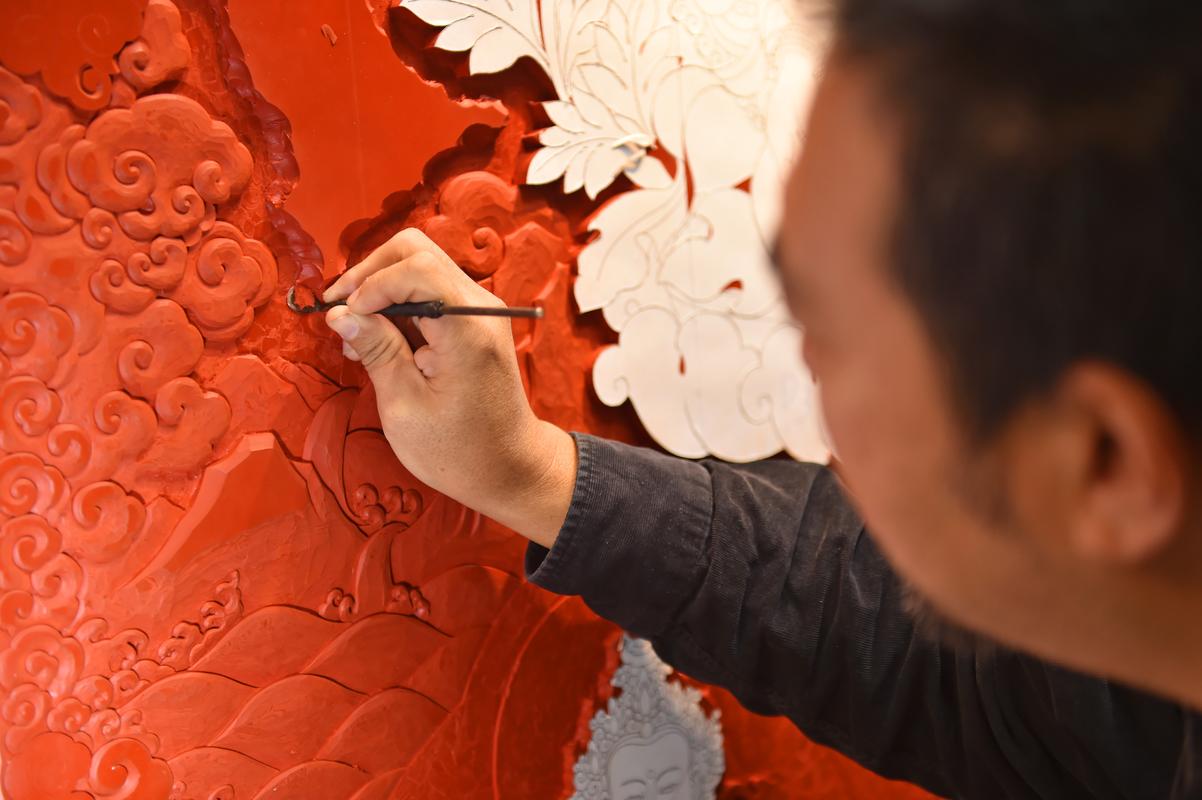
Beijing Carved Lacquerware represents a distinguished tradition in Chinese craftsmanship, embodying centuries of refined artistic excellence and technical mastery. This practice demonstrates the profound wisdom of Chinese artisans in transforming natural materials into objects of enduring beauty and cultural significance.
Historical Background
The origins of Beijing Carved Lacquerware can be traced back to ancient China's imperial workshops and regional craft centers, where master artisans developed techniques passed down through generations. Historical records and archaeological evidence reveal the evolution of these practices from early experimental stages to the refined methods recognized today. Imperial patronage played a crucial role in elevating craft standards, as the court demanded objects of exceptional quality and artistic merit.
Cultural Significance
Beijing Carved Lacquerware embodies the Chinese philosophical emphasis on the unity of technique and artistry, where mastery of material and method leads to expressions of profound beauty. The techniques involved require years of dedicated practice to achieve proficiency, representing a commitment to excellence that characterizes traditional Chinese craftsmanship. These objects serve both practical and aesthetic purposes, enriching daily life while embodying cultural values.
Legacy and Development
Today, Beijing Carved Lacquerware continues to be practiced and appreciated both in China and internationally, as recognition grows of its cultural importance and artistic value. Contemporary practitioners work to preserve traditional methods while exploring new applications and expressions. Educational programs, museum exhibitions, and cultural institutions play vital roles in ensuring that this precious heritage is transmitted to future generations. The ongoing vitality of Beijing Carved Lacquerware demonstrates the enduring relevance of traditional Chinese culture in the modern world.
Origin
Fuzhou, Fujian Province
Period
Tang Dynasty (618-907 CE) to Present
Latest News
Guides
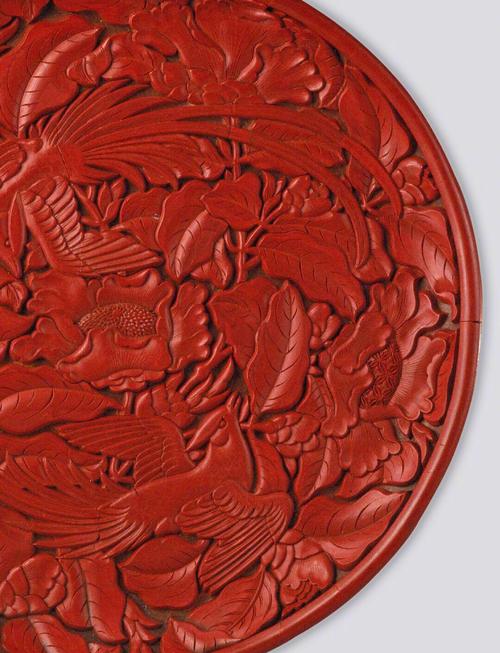
Chinese Lacquerware Schools Guide: Beijing, Fuzhou, Pingyao, and Yangzhou Styles
Regional Lacquerware TraditionsChinese lacquerware developed distinct regional styles, each exploiting the medium's uniq...

Lacquer Decoration Techniques Guide: Gold Painting, Inlay, and Textured Effects
Lacquer Decoration MethodsLacquer decoration employs diverse techniques for creating visual and textural effects. From p...
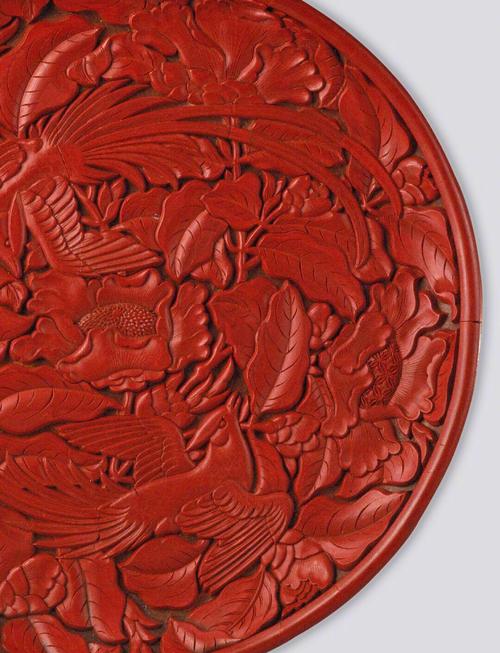
Chinese Lacquerware Schools Guide: Fuzhou, Pingyao, Yangzhou, and Chengdu Styles
Lacquerware SchoolsRegional lacquerware traditions developed distinctive styles and techniques. Fuzhou bodiless lacquer,...
Lacquer Decoration Techniques Guide: Gold, Inlay, and Patterned Finishes
Lacquer Decoration TechniquesLacquer accepts diverse decorative treatments that transform its natural surface into elabo...