Before diving into the world of online embroidery shopping, let us first walk through what a beginner actually needs to get started.
Your essential toolkit consists of: a hand embroidery hoop (to keep your fabric taut), silk fabric (look for soft, high-quality material that stays tight when stretched), mulberry silk thread (quality matters enormously here — poor thread will sabotage your work later), curved scissors and flat-tipped tweezers (curved scissors are far more convenient; tweezers help you pluck out residual threads after cutting away mistakes — many hobbyists already own a pair), and embroidery needles (size 11 or 12). The entire kit is remarkably affordable — on Taobao you can put everything together for under fifty yuan, and it could not be more convenient.
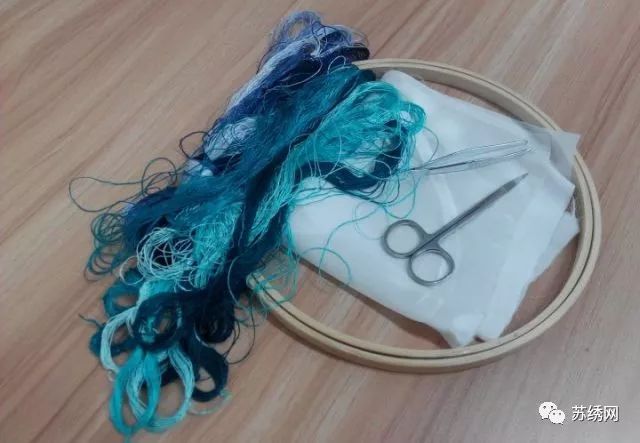
When it comes to buying materials, most people nowadays immediately think of online shopping. It is convenient, and there are even ready-made kits curated by sellers. But can you really pick out satisfactory materials through a screen?

I have personally test-shopped at a few stores on Taobao and got a fairly good sense of the landscape. Here is my experience and methodology, distilled for you.
How to Vet a Silk Thread Seller
Open any dedicated silk thread shop at random. The selection is impressive — often 24 colours to choose from.
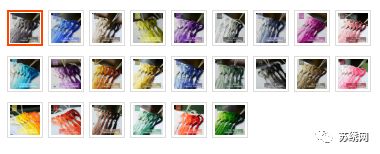
(Disclaimer: I am absolutely not singling out or endorsing any particular merchant.)
I then clicked into the reviews. There were quite a lot of them, and the overall rating was 4.8 out of 5. However, when I shop I do not fixate on positive reviews — on the contrary, I pay closer attention to negative reviews, because they reveal far more about the real problems.
So I opened the negative reviews:



The negative reviews consistently flag four major problems:
- 1. Colour bleeding and fading — thread that ruins your work the moment it gets damp
- 2. Short weight — receiving less thread than what was advertised
- 3. Fake silk — synthetic thread passed off as genuine mulberry silk
- 4. Missing or omitted items — orders arriving incomplete without explanation
Taking all these issues into account, here are my recommended strategies:

Tip One — Only Shop at Highly-Rated Stores
Go to the embroidery supplies category and stick to shops that rank near the top — those with a three-dimensional rating of 4.8 or higher. The materials there are at least passable. Eliminate any shop below that threshold without a second thought.
Tip Two — Buy a Small Sample First
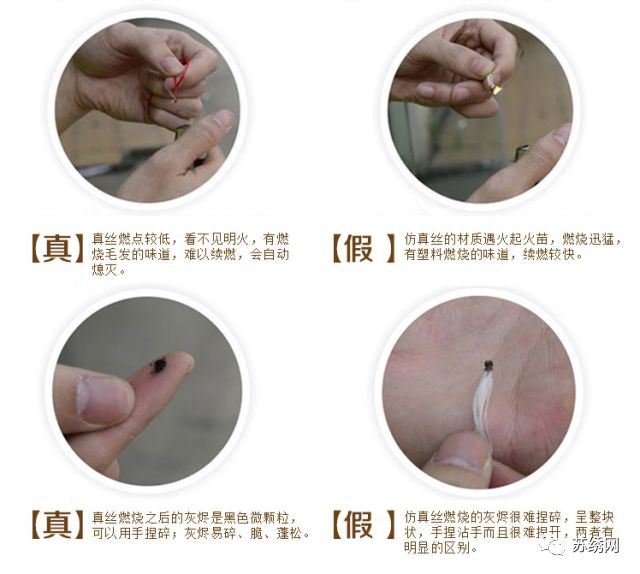
When you have settled on a particular store, order a small quantity first to verify the quality — do not begrudge the shipping cost. Once the sample arrives, compare and test: check the quality, see if the colour runs, and verify whether it is genuine silk. How do you test for real silk? See the image below.
Tip Three — Visit a Physical Store
Go to a brick-and-mortar shop to hand-pick your threads. Generally speaking, a physical store may stock both entry-level and premium materials — meaning they sell lower-quality thread for beginners alongside genuinely excellent silk for serious work. You get to see and feel everything before buying.

Tip Four — Go Directly to Zhenhu If You Can
If circumstances allow, make the trip to Zhenhu to pick your materials in person. You will notice that a great many online embroidery sellers are based in Suzhou — and yes, that is Zhenhu we are talking about. Going to the source eliminates a whole host of problems at once.

A Word on Hand Embroidery Hoops
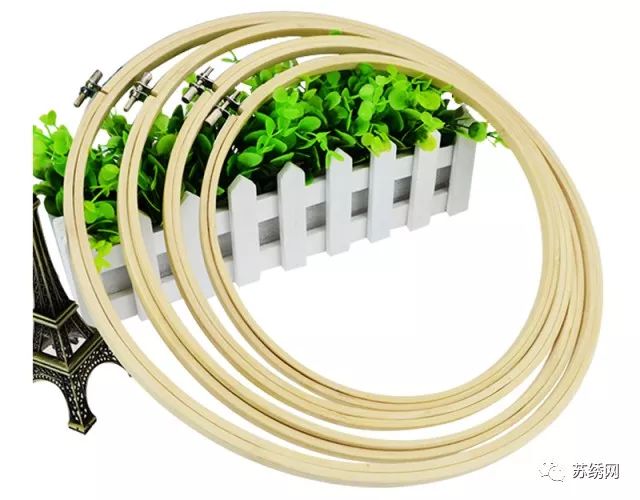
For most DIY enthusiasts, the hand hoop is compact and wonderfully convenient. You cannot tackle anything too complex with it, but for small projects it is more than adequate. There is not much else to emphasise — the differences between models are minor.
The most common complaint is the hoop failing to stay tight — meaning one section remains loose no matter how you adjust it. This usually points to poor manufacturing, so you might try switching to a plastic hoop and see if that helps. Your mileage will vary depending on your specific needs.
Buy a hoop on the small side — 15 to 20 centimetres in diameter is plenty. When embroidering you need one hand to hold the hoop and the other to work the needle. Anything larger becomes unwieldy to hold, which is why hand hoops are best suited to small-scale pieces.

— END —