


 Posted an update: 2026-4-1 13:57:23 113
In the ancient city of Dali, the sunbursts are made by hand. Tie-Dyeing (Zha-ran), a specialty of the Bai people, is a beautiful art form that uses knots and threads to capture the energy of the light.
Tie-Dyeing (Zha-ran): The Vibrant Sunbursts and Indigo Traditions of the Bai People
Tie-Dyeing is one of China"s most popular and accessible forms of traditional textile art. While it shares the indigo heritage of Batik, Zha-ran uses a mechanical resist method. By folding, twisting, and tying the fabric with thread before dyeing, artisans create a vast variety of patterns—from simple circles to complex floral mandalas. This is the art of the Dali valley, reflecting the bright and open spirit of the Bai culture.
1. The Art of the Knot: Patterns in Thread
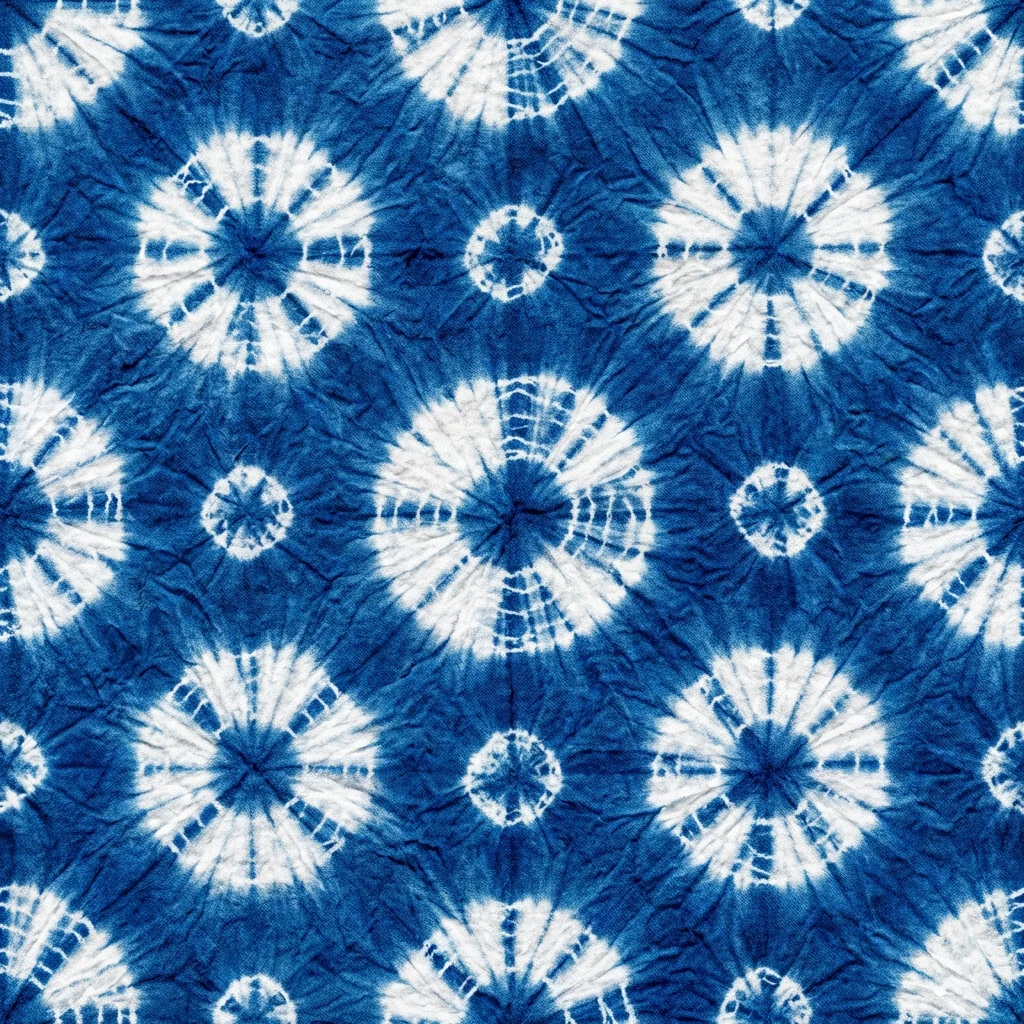
The "Zha" in Zha-ran means to tie. Before dyeing, the artisan uses a needle and thread to "stitch" and "bundle" the fabric. These tight knots prevent the indigo dye from penetrating the cloth. A single large piece can require thousands of individual knots. Once the fabric is dyed and the threads are cut, the knots "bloom" into white patterns that have a soft, blurred edge, giving Tie-Dye its signature "watercolor" feel.
2. The Dali Blue: Indigo and the Erhai Lake
Dali, located by the beautiful Erhai Lake, has perfect conditions for indigo dyeing. The Bai people use a local variety of indigo plant and pure mountain water to create a blue that is exceptionally bright and clear. The contrast between this "Dali Blue" and the crisp white of the patterns is the hallmark of quality. Traditionally, every household in a Bai village would have its own indigo vat, and the sound of wooden mallets beating the dyed cloth could be heard throughout the valley.
3. Modern Revival: From Festivals to Global Fashion
Tie-Dyeing has experienced a massive resurgence in recent years. Its organic, "bohemian" feel makes it a favorite for modern summer fashion, scarves, and home decor. Many Hanfu enthusiasts also use Zha-ran for their inner garments or lightweight summer robes. This modern popularity is helping to sustain the traditional villages in Dali, where younger generations are now returning to learn the art of the knot.
4. Symbolism: The Sun, the Moon, and the Stars
The most common Zha-ran motif is the "Sunburst" or "Daisy" pattern, which represents light and positive energy. Other motifs include the butterfly, the plum blossom, and various geometric symbols of the Bai culture. Because the process involves so much physical manipulation of the fabric, Tie-Dye pieces are believed to carry the "breath" and good wishes of the maker.
5. FAQ: Getting Started with Tie-Dyeing
Can I try this at home?
Yes! Tie-dyeing is a wonderful and safe craft to try with kids or as a weekend project. You can use modern indigo kits and simple rubber bands to create beautiful patterns on old T-shirts or cotton bags.
How do I stop the blue from fading?
Like Batik, use salt or vinegar in the first wash to help fix the dye. Avoid using harsh chemical detergents or bleaching agents, which will quickly ruin the natural indigo blue.
Is Tie-Dyeing only for blue?
While indigo is the tradition, you can use Tie-Dye techniques with any color! Many modern artisans use plant dyes like madder (red) or gardenia (yellow) to create multi-colored Zha-ran pieces.
6. Conclusion
Tie-Dyeing is a celebration of the simple and the handmade. It is an art form that turns a humble piece of white cloth into a tapestry of light and shadow. As we wear the blue sunbursts of Dali, we are carrying a piece of the Yunnan sunshine with us. It is a vibrant reminder that the most beautiful things are often made by hand, one knot at a time.
From the knot to the forest: Next, we reveal the secret ingredients of ancient color—Plant-Based Dyes!