


 Posted an update: 2026-4-1 13:27:21 110
Unearthed in 1965 in a waterlogged tomb in Hubei, the Sword of Goujian shocked the world. Despite being submerged for over 2,000 years, the blade was found unsheathed, perfectly polished, and sharp enough to cut through twenty layers of paper.
The Sword of Goujian: The Immortal Blade of the Ancient East
The Sword of Goujian (c. 500 BC) is the personal weapon of King Goujian of Yue, one of the most famous rulers of the Spring and Autumn period. It is often called the "Excalibur of the East." Beyond its legendary status, the sword is a marvel of ancient metallurgy, featuring a unique chemical composition that has prevented rust for over two millennia.
1. The Mystery of the Blade: Why It Never Rusts
When archaeologists first unsheathed the sword, they were stunned to find it gleaming as if it were new. Modern analysis revealed that the blade was coated with a thin layer of chromium-sulfide, an anti-corrosion technique that was not discovered in the West until the early 20th century. This suggests that the ancient Yue artisans possessed chemical knowledge that was thousands of years ahead of its time.
2. Artistic Brilliance: The Diamond Pattern and Turquoise Inlay
The blade is decorated with a complex diamond-shaped pattern (rhombic pattern) etched into the bronze. The hilt is equally impressive, featuring delicate turquoise inlay and concentric circles on the pommel. These decorations were not just for beauty; they were the hallmarks of the finest swordsmiths in the world, specialized in the "Way of the Sword."
3. The Inscription: A King"s Personal Pride
Near the hilt, two columns of text in "Bird-Worm Seal Script" (a decorative ancient script) state: "King Goujian of Yue, made this sword for his personal use." This confirms the royal lineage of the weapon and adds a personal layer to its historical value, connecting us directly to one of China’s most resilient historical figures.
4. Metallurgy: The Secret of the Sharp Edge
The sword is a composite bronze masterpiece. The body is made of a high-tin bronze to make it tough and flexible, while the edges have an even higher tin content to make them exceptionally hard and sharp. This bimetallic casting ensures that the sword could withstand the rigors of combat without breaking or dulling.
5. FAQ: Understanding the Sword of Goujian
How long is the sword?
The sword is 55.6 centimeters long and 4.6 centimeters wide at the base of the blade. It weighs approximately 875 grams.
Was it used in battle?
While it was a functional weapon, it was primarily a symbol of royal status and authority. However, King Goujian was famous for his military campaigns, so it likely saw ceremonial or tactical use.
Is it on display?
Yes, it is the "star of the show" at the Hubei Provincial Museum in Wuhan, China.
6. Conclusion
The Sword of Goujian is more than a weapon; it is a symbol of human ingenuity and the enduring spirit of craftsmanship. It stands as a reminder that the "dark ages" of the past were often illuminated by the brilliance of those who worked with fire and metal. To look upon the blade is to feel the sharp edge of history itself.
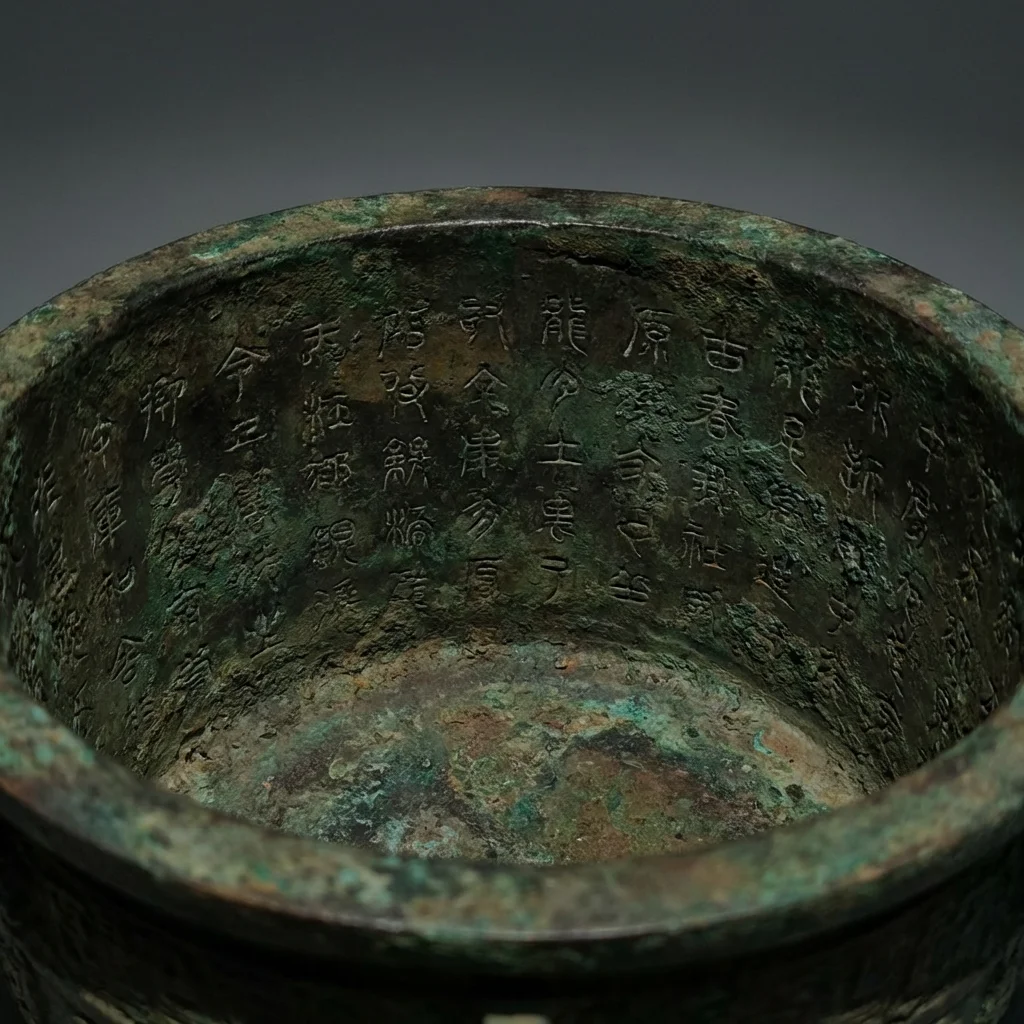
From the blade to the brush: Next, we dive into the history of the Mao Gong Ding and the longest bronze inscription ever found!