Chinese Resist Dyeing Guide: Batik, Tie-Dye, and Traditional Textile Techniques

Chinese Resist Dyeing Guide: Batik, Tie-Dye, and Traditional Textile Techniques

Resist Dyeing Traditions Resist dyeing creates patterns by preventing dye penetration in specific areas. Chinese artisans developed multiple techniques—wax resist, tied resist, and mechanical resist—each producing distinctive effects. These methods transformed plain cloth into patterned textiles for clothing and household use. Batik Batik uses hot wax applied through copper tools or brushes to create resist…

Tibetan Thangka Painting Guide: Religious Art, Techniques, and Regional Schools

Tibetan Thangka Painting Guide: Religious Art, Techniques, and Regional Schools

The Thangka Tradition Thangka paintings serve as portable religious images in Tibetan Buddhist practice. These scroll paintings on cotton depict deities, mandalas, and religious narratives with precise iconography. The tradition developed distinct regional schools, each with characteristic styles and techniques. Thangka Techniques Traditional production begins with preparing cotton grounds using chalk gesso. Artists draw precise…

Chinese Scholar’s Studio Crafts Guide: Brush Making, Ink, Paper, and Printing

Chinese Scholar’s Studio Crafts Guide: Brush Making, Ink, Paper, and Printing

The Crafts of the Scholar’s Studio The Four Treasures of the Study—brush, ink, paper, and inkstone—represent only the most famous of numerous crafts supporting Chinese literary culture. Brush making, ink production, papermaking, and related arts developed sophisticated traditions that continue today. Traditional Brush Making Brush making involves dozens of steps from selecting animal hairs to…

Chinese Bamboo Arts Guide: Carving, Weaving, and Traditional Bamboo Crafts

Chinese Bamboo Arts Guide: Carving, Weaving, and Traditional Bamboo Crafts

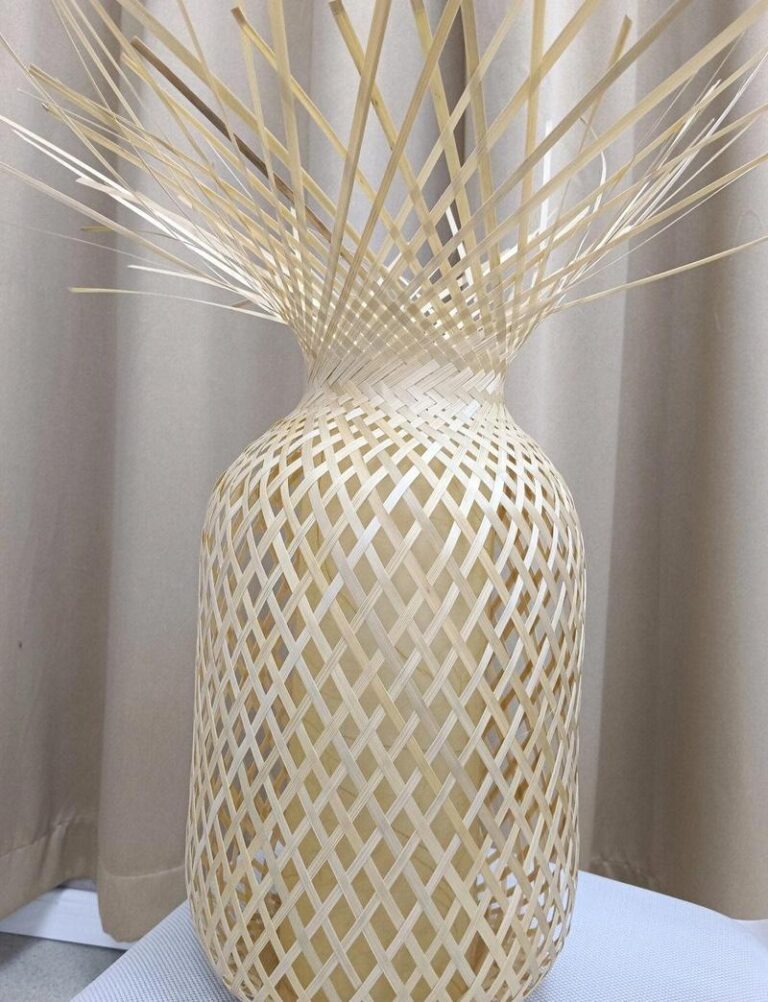
The Bamboo Arts of China Bamboo, abundant across southern China, provided material for diverse craft traditions. From scholarly carvings to utilitarian weaving, bamboo arts demonstrate the material’s remarkable versatility. The best work transforms humble material into objects of refined beauty. Bamboo Carving Bamboo carving developed as a scholarly art form during the Ming dynasty. The…

Chinese Straw and Rattan Weaving Guide: Willow, Palm, and Natural Fiber Crafts

Natural Fiber Weaving Traditions Beyond bamboo, Chinese craftspeople developed weaving traditions using diverse plant materials. Willow, rattan, palm, and straw each provided distinct properties exploited for specific applications. These humble crafts produced objects of surprising sophistication and durability. Willow Weaving Willow weaving from northern China produces sturdy, functional baskets with regional pattern variations. The material…

Chinese Paper Cutting Guide: Northern Shaanxi, Yuxian, and Regional Folk Traditions

Chinese Paper Cutting Guide: Northern Shaanxi, Yuxian, and Regional Folk Traditions

The Paper Cutting Traditions Paper cutting represents one of China’s most widespread folk arts, practiced across regions and ethnic groups. The humble material is transformed through scissors or knives into intricate designs serving decorative, ceremonial, and symbolic functions. Regional styles developed distinctive characteristics reflecting local culture. Northern Shaanxi Paper Cutting Northern Shaanxi paper cutting developed…

Chinese Clay Sculpture Guide: Tianjin Clay Figure Zhang and Huishan Traditions

Chinese Clay Sculpture Guide: Tianjin Clay Figure Zhang and Huishan Traditions

Clay Sculpture Traditions Chinese clay sculpture transforms earthen material into figures of remarkable character and charm. From the refined artistry of Tianjin’s famous family to folk traditions across regions, these works preserve cultural narratives through three-dimensional form. Tianjin Clay Figure Zhang The Clay Figure Zhang family of Tianjin represents China’s most famous clay sculpture lineage….

Chinese Dough and Sugar Art Guide: Dough Figurines, Sugar Painting, and Street Crafts

Dough and Sugar Arts Edible materials provide medium for transient art forms practiced by street performers and festival artisans. Dough and sugar arts create immediate, accessible beauty that delights children and adults alike. These traditions preserve cultural memory through performative craft. Dough Modeling Dough modeling creates temporary sculptures from wheat flour mixed with preservatives and…

Chinese Lantern Making Guide: Palace Lanterns, Revolving Lanterns, and Festival Crafts

Chinese Lantern Making Guide: Palace Lanterns, Revolving Lanterns, and Festival Crafts

The Lantern Arts Lantern making combines structural engineering with decorative artistry to create illuminated objects for festivals and daily use. From imperial palace fixtures to folk festival decorations, Chinese lanterns demonstrate remarkable diversity of form and technique. Palace Lanterns Palace lanterns served imperial residences and ceremonial spaces, requiring sophisticated construction and luxurious materials. Traditional forms…

Chinese Enamel Crafts Guide: Cloisonné, Painted Enamel, and Champlevé Techniques

Chinese Enamel Crafts Guide: Cloisonné, Painted Enamel, and Champlevé Techniques

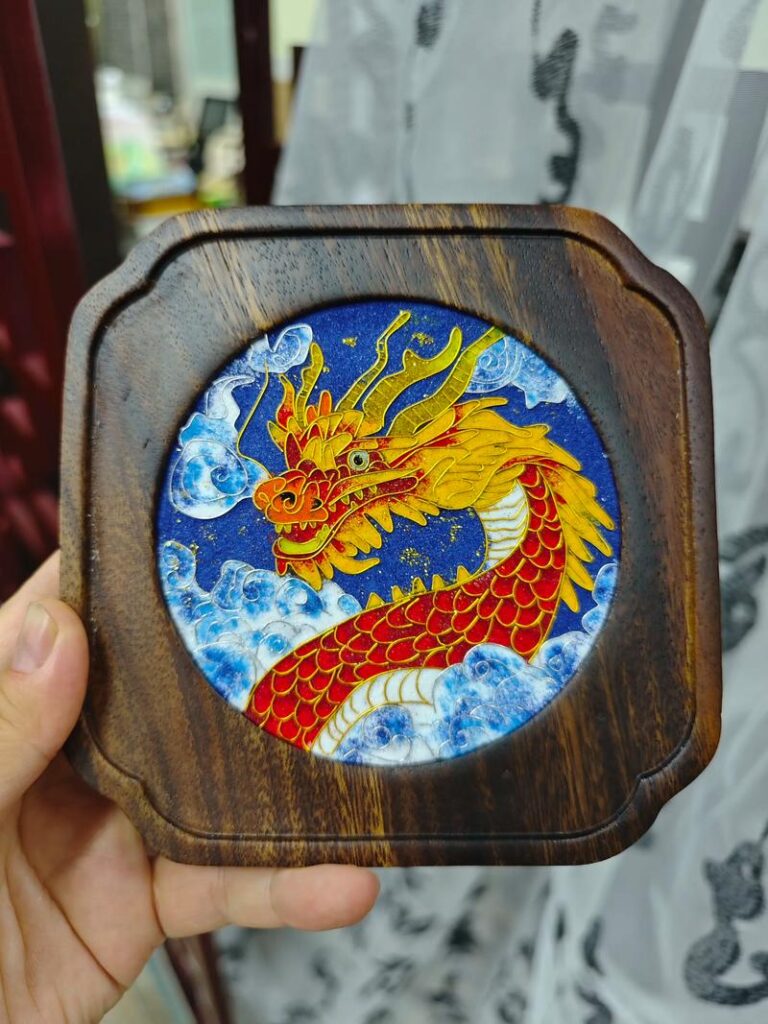
Enamel Techniques in Chinese Metalwork Enamel decoration fuses colored glass to metal surfaces through high-temperature firing. Chinese artisans adapted foreign techniques into distinctive national traditions, producing objects of brilliant color and durable beauty. Understanding enamel methods illuminates the technical sophistication behind these works. Cloisonné Enamel Cloisonné creates designs with thin metal wires soldered to copper…

End of content

End of content