
Regular Script Calligraphy Guide: The Foundation of Kaishu Writing

Regular Script : The Standard of Writing Regular script , or Kaishu, represents the fully standardized form of Chinese writing that emerged during the late Han dynasty and achieved definitive form in the Tang period. The name suggests ‘model’ or ‘standard’ script—characters are clearly legible, strokes are precisely defined, and structure follows consistent rules. For…
Xuan Paper Guide: The Essential Paper for Chinese Calligraphy and Painting

Xuan Paper : The Foundation of Chinese Ink Art Xuan paper , produced in Jingxian, Anhui province, represents the essential support material for Chinese calligraphy and painting. Named after the ancient Xuanzhou prefecture where production originated, this paper has been prized for over a thousand years for its unique interaction with ink and color. Understanding…

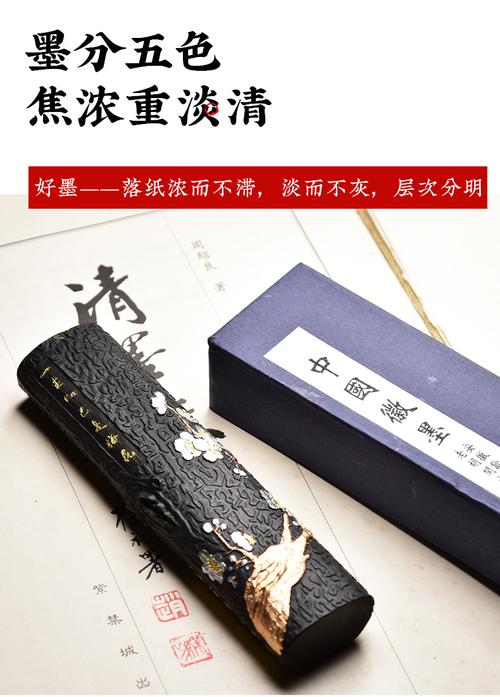
Huizhou Ink Stick Guide: Traditional Chinese Ink Making from Anhui

Huizhou Ink Stick Guide: Traditional Chinese Ink Making from Anhui

Huizhou Ink Stick : The Soul of Black Huizhou ink , produced in the ancient Huizhou region of Anhui province, represents the pinnacle of Chinese ink-making craft. For over a thousand years, these ink sticks have been essential tools for scholars, calligraphers, and painters seeking the subtle tonal variations that define Chinese ink art. The…

Underglaze Red Porcelain Guide: Youlihong and Copper-Red Glaze Techniques

Underglaze Red Porcelain Underglaze red porcelain represents one of ceramic history’s most technically challenging achievements. Using copper oxide as the coloring agent, artists painted designs onto unfired porcelain bodies before covering with transparent glaze and firing at high temperatures. The difficulty of controlling copper-red chemistry made successful pieces rare and valuable. The Technical Challenge Copper-red…

Linglong Porcelain Guide: Rice Grain Pattern and Pierced Ceramic Technique

Linglong Porcelain Linglong porcelain, also known as rice grain porcelain, features distinctive translucent patterns created by piercing the clay body before glazing. When glaze fills these openings and light passes through, the effect resembles grains of rice embedded in the ceramic surface. Technique and Production Production involves piercing small holes through the leather-hard clay body…

Tang Sancai Guide: Three-Color Glazed Pottery of the Tang Dynasty

Tang Sancai Guide: Three-Color Glazed Pottery of the Tang Dynasty

Tang Sancai Pottery Tang Sancai refers to the lead-fluxed glazes that dominated Tang dynasty ceramic production. Despite the name, the palette includes cream, amber, green, and blue tones, often splashed together to create flowing effects. These wares were primarily funerary objects. Production and Technique Sancai wares use earthenware bodies covered with low-fired lead glazes. The…

Ru Ware Guide: The Supreme Song Dynasty Ceramic Treasure

Ru Ware Guide: The Supreme Song Dynasty Ceramic Treasure

Ru Ware : The Pinnacle of Chinese Ceramics Among all Chinese ceramic achievements, Ru ware holds supreme status. Produced briefly during the late Northern Song dynasty (960-1127), these wares were imperial products reserved exclusively for the emperor’s court. Today, fewer than 100 authenticated pieces survive worldwide, making Ru ware the holy grail of Chinese ceramic…

Su Embroidery Guide: Suzhou Silk Needlework Art and Techniques

Su Embroidery Guide: Suzhou Silk Needlework Art and Techniques

Su Embroidery : The Art of Suzhou Needlework Su embroidery , originating from Suzhou in Jiangsu province, stands as the most refined of China’s four great embroidery traditions. The character ‘Su’ refers to Suzhou, a city whose cultural sophistication and economic prosperity nurtured this exquisite art form for over two thousand years. The tradition emphasizes…

Yunjin Brocade Guide: Nanjing Imperial Silk Weaving Tradition

Yunjin Brocade : Weaving Clouds and Gold Yunjin brocade , literally ‘cloud-pattern brocade,’ represents the most technically complex of Chinese silk weaving traditions. Produced in Nanjing, the former imperial capital, these textiles served emperors and courts for centuries. The saying ‘inch of brocade, inch of gold’ captures both the material’s value and the labor intensity…

Hetian Jade Guide: The Most Prized Chinese Jade Material

Hetian Jade Guide: The Most Prized Chinese Jade Material

Hetian Jade : The Stone of Heaven Hetian jade , also known as Hotan or Khotan jade, represents the most culturally significant and economically valuable jade material in China. Mined from the Kunlun Mountains in Xinjiang’s Hetian region, this nephrite jade has been treasured for over seven thousand years, earning titles like ‘stone of heaven’…

End of content

End of content