Chinese Printmaking Techniques Guide: Woodcut, Watermark, and Embossed Prints

Chinese Printmaking Techniques Guide: Woodcut, Watermark, and Embossed Prints

Printmaking Techniques Chinese printmaking developed distinctive techniques for image reproduction. Woodcut, watermark, and embossed methods each create characteristic effects suited to different purposes. Woodcut Printing Woodcut carves images into wooden blocks for ink transfer. The technique allows efficient reproduction of text and image. Chinese woodcuts achieved sophisticated tonal effects through carved line variation. Watermark Printing…
Chinese Mural and Polychrome Painting Guide: Dunhuang, Temple, and Architectural Arts

Chinese Mural and Polychrome Painting Guide: Dunhuang, Temple, and Architectural Arts

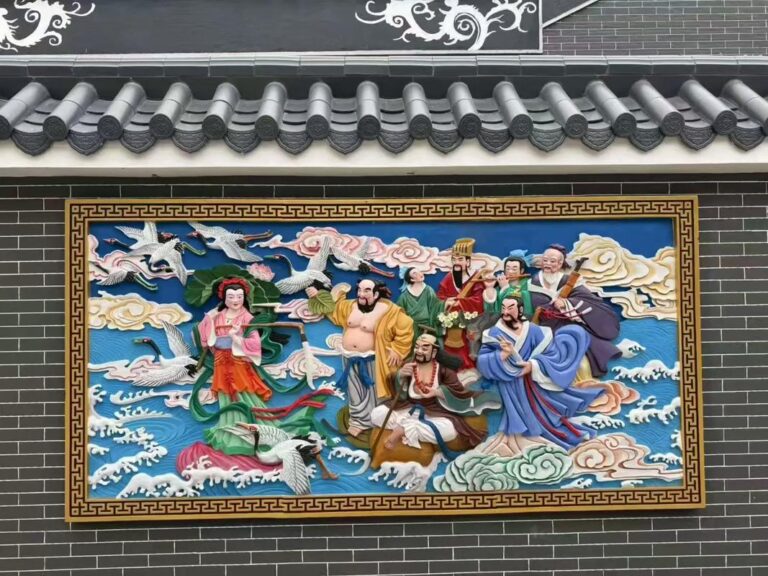
Mural and Polychrome Painting Large-scale painting adorned temples, palaces, and tombs. Murals depicted religious narratives and auspicious imagery. Polychrome painting decorated architectural elements with standardized patterns. Mural Traditions Dunhuang murals represent the greatest surviving corpus of Buddhist painting. Yongle Palace and Fahai Temple preserve Daoist and Buddhist imagery. Temple murals served religious education and devotional…

Chinese Brewing and Tea Making Guide: Baijiu, Huangjiu, and Tea Traditions

Brewing and Tea Making Fermentation and processing traditions transform agricultural products into alcohol and tea. These crafts developed regional specializations and technical refinements over centuries, creating distinctive products that define Chinese gastronomic culture. Alcoholic Beverages Baijiu is distilled grain liquor, with regional styles ranging from light to strong aroma. Huangjiu is rice wine fermented without…

Chinese Painting Techniques Guide: Texture Strokes, Splashed Ink, and Finger Painting

Painting Techniques Chinese painting developed specialized brush techniques for specific effects. From texture strokes that suggest geological features to splashed ink that captures spontaneity, these methods expand the expressive range of brush and ink. Texture Strokes Texture strokes create the appearance of rock surfaces, tree bark, and other natural features. Different stroke patterns suggest different…

Chinese Calligraphy Schools Guide: Two Wangs, Yan-Liu-Ou-Zhao, and Master Traditions

Chinese Calligraphy Schools Guide: Two Wangs, Yan-Liu-Ou-Zhao, and Master Traditions

Calligraphy Schools Chinese calligraphy history is organized around master calligraphers whose styles influenced subsequent generations. These schools provide models for study and reference points for aesthetic discussion. Two Wangs Wang Xizhi and his son Wang Xianzhi established the foundation for running and cursive scripts. Their work, preserved through copies and engravings, remains the primary model…

Chinese Calligraphy Forms Guide: Scrolls, Fans, and Composition Formats

Chinese Calligraphy Forms Guide: Scrolls, Fans, and Composition Formats

Calligraphy Forms Chinese calligraphy appears in diverse formats, each with specific dimensions, functions, and compositional requirements. Understanding these forms is essential for proper appreciation and practice. Scroll Formats Central scrolls are large vertical formats for main display. Vertical scrolls are narrower hanging formats. Square formats suit compact spaces. Each requires different compositional approaches. Specialized Forms…

Chinese Clay and Dough Sculpture Guide: Tianjin Zhang, Huishan, and Sugar Arts

Chinese Clay and Dough Sculpture Guide: Tianjin Zhang, Huishan, and Sugar Arts

Clay and Dough Sculpture Modeling traditions use clay, dough, and sugar to create figurative art. From the famous Tianjin Clay Figure Zhang to folk sugar painting, these crafts demonstrate the Chinese ability to transform humble materials into sophisticated art. Tianjin Clay Figure Zhang The Zhang family of Tianjin developed clay sculpture to high art, creating…

Chinese Lantern Arts and Micro Carving Guide: Palace Lanterns and Miniature Crafts

Chinese Lantern Arts and Micro Carving Guide: Palace Lanterns and Miniature Crafts

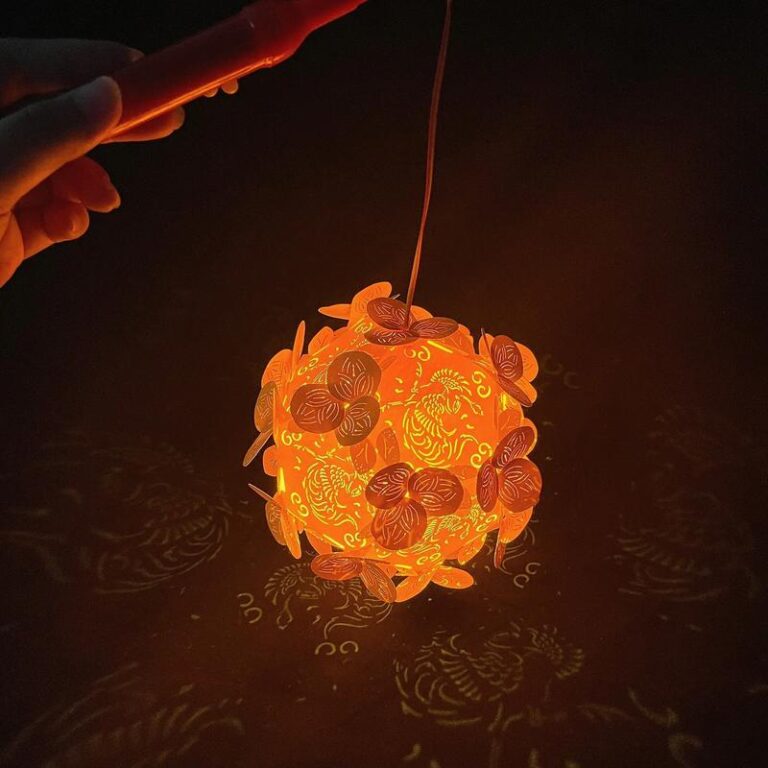
Lantern Arts and Micro Carving Chinese craft traditions include spectacular lantern making and extraordinarily detailed micro carving. These arts demonstrate opposite scales of ambition—lanterns that fill spaces and carvings that require magnification to appreciate. Lantern Types Palace lanterns feature elaborate frames with silk or glass panels painted with decorative designs. Revolving lanterns use candle heat…

Chinese Dyeing and Printing Guide: Batik, Tie-Dye, and Natural Dyes

Dyeing and Printing Textile decoration through resist dyeing and printing developed sophisticated techniques across China. Batik, tie-dye, and clamp-resist methods create patterned fabrics through controlled application of dye-resistant materials. Batik Batik uses hot wax as resist, applied with copper tools to create designs. The wax cracks during dyeing, creating characteristic veined patterns. Ethnic minority communities,…

Thangka Painting Guide: Tibetan Buddhist Scroll Art and Schools

Thangka Painting Guide: Tibetan Buddhist Scroll Art and Schools

Thangka Painting Thangka are Tibetan Buddhist paintings on cotton or silk appliqué, used for teaching and meditation. Strict iconographic rules govern depiction of deities, mandalas, and religious narratives. Different schools developed distinctive styles while maintaining doctrinal accuracy. Major Schools Regong thangka from Qinghai emphasizes fine detail and brilliant color. Menri school follows strict proportional systems…

End of content

End of content