How to Choose a Pen for Fountain Pen Calligraphy

The primary tool for fountain pen calligraphy is the fountain pen, though some practitioners also use dip pens or self-made fine-barrel nibs. Many calligraphers customize their nibs through careful modification. Such specially modified nibs are tailored to the individual user, and may feel awkward in someone else’s hand. The quality of a fountain pen is…

A Brief Guide to Selecting Calligraphy Pens and Fude Pens

Many calligraphy enthusiasts favor fude pens (art pens with bent nibs), because their curved tip offers expressive power that ordinary fountain pens cannot match. The author has previously shared some writing samples produced with such pens. Below are personal insights on what to look for when purchasing a fude pen. I. The Nib 1. Bend…

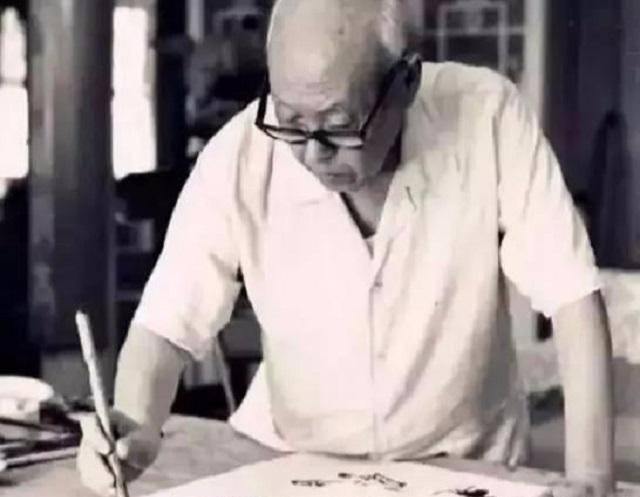
Li Kuchan: From Rickshaw Puller to Master of Chinese Ink Painting — How Suffering Forged a Legend

Li Kuchan: From Rickshaw Puller to Master of Chinese Ink Painting — How Suffering Forged a Legend

Hardship, it is said, shapes a life. But hardship does more than shape lives — it carves the very soul of art. Only those who have weathered the frost and grinding stones of existence can draw from the deep well of lived experience, producing works of weight and profundity. Artists, by nature sensitive and emotional,…

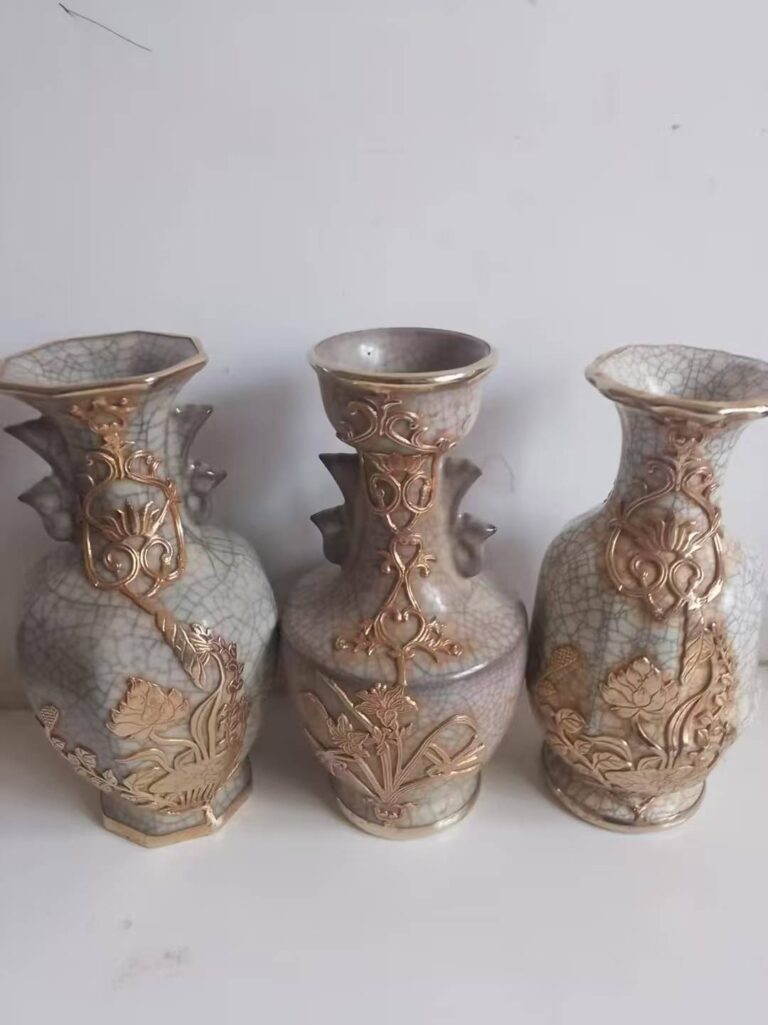
Gold-Inlaid Ge Ware Phoenix-Ear Vase: A Masterpiece of Classical Aesthetics Where Gold Meets Jade

Gold-Inlaid Ge Ware Phoenix-Ear Vase: A Masterpiece of Classical Aesthetics Where Gold Meets Jade

In the magnificent tapestry of Chinese ceramic art, Ge ware (哥窑, Gē Yáo) holds an irreplaceable position, distinguished by its hallmark “golden wire and iron thread” crackle glaze and the characteristic “purple rim and iron foot.” The gold-inlaid Ge ware-style phoenix-ear vase represents an innovative creation that builds upon the classical aesthetics of Ge ware…

Sanxingdui Reveals 11 Red Carnelian Beads — New Research Proves China’s Ancient Multi-Ethnic Unity Over 3,000 Years Ago

Sanxingdui Reveals 11 Red Carnelian Beads — New Research Proves China’s Ancient Multi-Ethnic Unity Over 3,000 Years Ago

On June 2, the Sichuan Provincial Institute of Cultural Relics and Archaeology announced its latest research findings. Archaeologists conducted an origin-tracing study on 11 red carnelian beads unearthed from the Sanxingdui sacrificial pits, demonstrating that as far back as over 3,000 years ago, the ancient Shu people had already established stable and enduring material exchange…

Natural Crystal and Inside-Painted Snuff Bottle: The Perfect Combination of Intangible Cultural Heritage

When it comes to inside-painted snuff bottles, everyone marvels at this intangible cultural heritage technique of “holding the universe within a bottle.” With brushes as fine as hair, the artist reaches into the thumb-sized bottle opening to paint in reverse, and every stroke is a dialogue between the craftsman and time. What makes this artistry…

Qin School Inside Painting: The Oriental Immortal Charm Hidden in a Thumb-Sized Bottle

Chinese immortal charm, hidden within a thumb-sized bottle. The beauty of inside-painting art lies in capturing the elegance of the world with delicate brushstrokes. As an intangible cultural heritage technique, Qin School inside-painting is rooted in the cultural heritage of Shaanxi region, adhering to the characteristics of “moisture, transparency, precision, and elegance.” By condensing the灵动…

End of content

End of content