
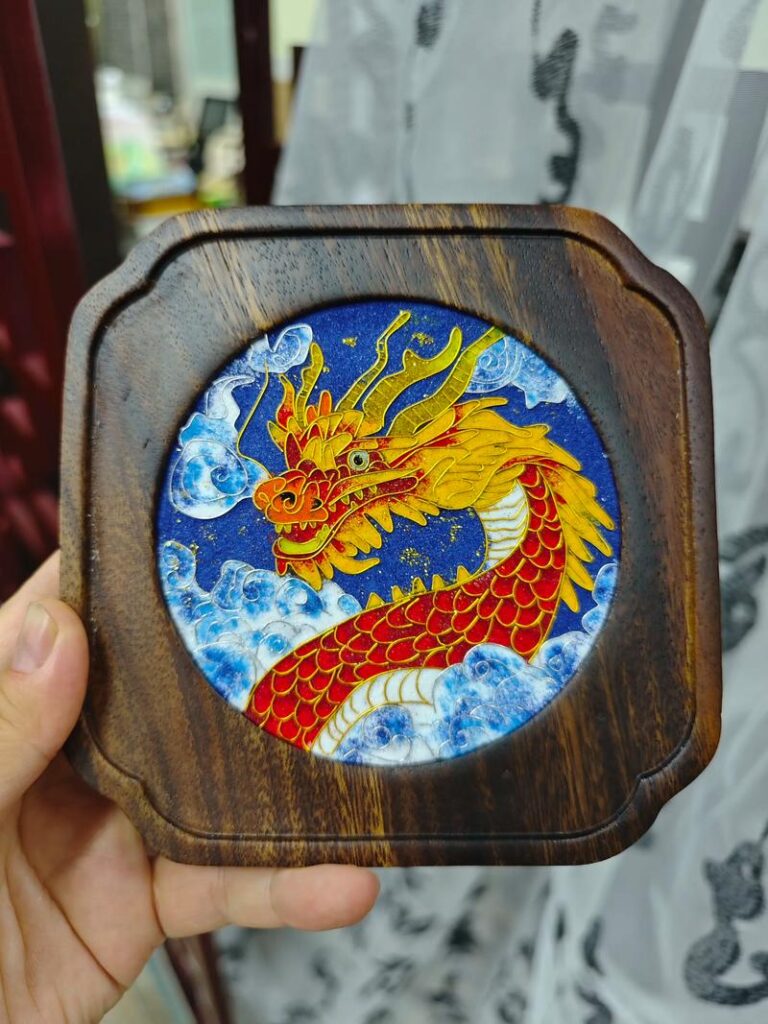
Chinese Enamel Crafts Guide: Cloisonné, Painted Enamel, and Champlevé Techniques

Chinese Enamel Crafts Guide: Cloisonné, Painted Enamel, and Champlevé Techniques

Enamel Techniques in Chinese Metalwork Enamel decoration fuses colored glass to metal surfaces through high-temperature firing. Chinese artisans adapted foreign techniques into distinctive national traditions, producing objects of brilliant color and durable beauty. Understanding enamel methods illuminates the technical sophistication behind these works. Cloisonné Enamel Cloisonné creates designs with thin metal wires soldered to copper…

Chinese Gold and Silver Crafts Guide: Filigree, Chasing, and Traditional Metalwork

Chinese Gold and Silver Crafts Guide: Filigree, Chasing, and Traditional Metalwork

Gold and Silver Craft Traditions Chinese metalworkers developed sophisticated techniques for working precious metals. From delicate filigree to bold hammered forms, these methods produced objects ranging from jewelry to ritual vessels. Imperial patronage supported peak achievements that remain standards of excellence. Filigree and Inlay Filigree draws metal into fine wires that are twisted, woven, and…

Chinese Wood Carving Guide: Dongyang, Chaozhou, and Boxwood Traditions

Chinese Wood Carving Guide: Dongyang, Chaozhou, and Boxwood Traditions

Chinese Wood Carving Traditions Wood carving developed across China into distinct regional traditions, each with characteristic techniques and aesthetic priorities. From architectural decoration to small sculptures, these traditions demonstrate sophisticated understanding of wood properties and carving methods. Dongyang Wood Carving Dongyang carving from Zhejiang province emphasizes multi-layer relief work with remarkable depth. The technique builds…

Black-Glazed Tea Bowls Guide: Jian Ware Hare’s Fur and Oil-Spot Wares

Black-Glazed Tea Bowls Guide: Jian Ware Hare’s Fur and Oil-Spot Wares

Black-Glazed Tea Wares Black-glazed ceramics achieved remarkable sophistication during the Song dynasty, driven by tea culture’s demands. When whisked white tea was poured into black bowls, the contrast created visual drama that connoisseurs appreciated. Jian kilns in Fujian province produced the finest examples, creating effects that remain technically challenging to replicate. Jian Ware: The Tenmoku…

Chinese White Porcelain Guide: Dehua, Ding, and Xing Ware Traditions

Chinese White Porcelain Guide: Dehua, Ding, and Xing Ware Traditions

The White Porcelain Tradition White porcelain represents one of China’s great ceramic achievements, requiring pure materials and precise firing control. Unlike painted wares where decoration conceals imperfections, white porcelain exposes every flaw to scrutiny. The tradition developed across multiple kiln centers, each contributing distinctive characteristics. Dehua Blanc de Chine Dehua kilns in Fujian province produced…

Yixing Purple Sand Teaware Guide: Zisha Pottery Tradition and Collecting

Yixing Purple Sand Teaware Guide: Zisha Pottery Tradition and Collecting

The Yixing Purple Sand Tradition Yixing pottery, known as zisha or ‘purple sand,’ represents China’s most sophisticated teaware tradition. Produced in Yixing, Jiangsu province, these unglazed stonewares develop rich patinas through use, making each piece uniquely personal. The tradition flourished from the Ming dynasty onward, with specific artists achieving recognition comparable to painters and calligraphers….

Ancient Chinese Kiln Techniques: Wood-Firing, Dragon Kilns, and Traditional Firing

Ancient Kiln Technologies Chinese ceramic excellence depended on sophisticated kiln technology developed over millennia. From Neolithic pit fires to Song dynasty dragon kilns stretching up hillsides, these structures enabled the high temperatures and controlled atmospheres necessary for porcelain and refined stoneware. Understanding traditional kiln techniques illuminates the technical achievements behind Chinese ceramic masterpieces. Dragon Kilns…

Four Great Embroidery Schools Guide: Su, Xiang, Yue, and Shu Traditions

Four Great Embroidery Schools Guide: Su, Xiang, Yue, and Shu Traditions

The Four Great Embroidery Traditions Chinese embroidery developed distinct regional schools, each with characteristic techniques and aesthetic priorities. Four traditions achieved particular recognition: Su from Jiangsu, Xiang from Hunan, Yue from Guangdong, and Shu from Sichuan. Together they represent the pinnacle of Chinese needlework, producing works that rival painting in artistic sophistication. Su Embroidery: Refined…

Chinese Brocade Weaving Guide: Yunjin, Songjin, Shujin, and Ethnic Textiles

The Brocade Traditions of China Brocade weaving, creating patterned fabrics through supplementary weft threads, developed across China into distinct regional traditions. Each used local materials, techniques, and aesthetic preferences to produce textiles of extraordinary complexity and beauty. These fabrics served imperial courts, religious functions, and ethnic identity expression. Yunjin: Imperial Splendor Nanjing’s Yunjin (‘cloud brocade’)…

Jingdezhen Porcelain Collecting Guide: China’s Ceramic Capital Treasures

Jingdezhen Porcelain Collecting Guide: China’s Ceramic Capital Treasures

The Legacy of Jingdezhen Porcelain Jingdezhen, known as China’s porcelain capital, has produced the world’s finest ceramic wares for over a millennium. Located in Jiangxi province, this city supplied imperial courts and global markets with porcelain that defined Chinese ceramic excellence. Understanding Jingdezhen’s diverse output helps collectors navigate one of art history’s most important material…

End of content

End of content